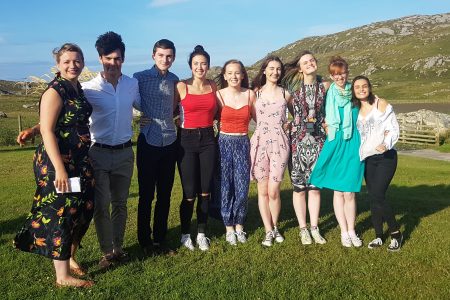
Malawi part 2

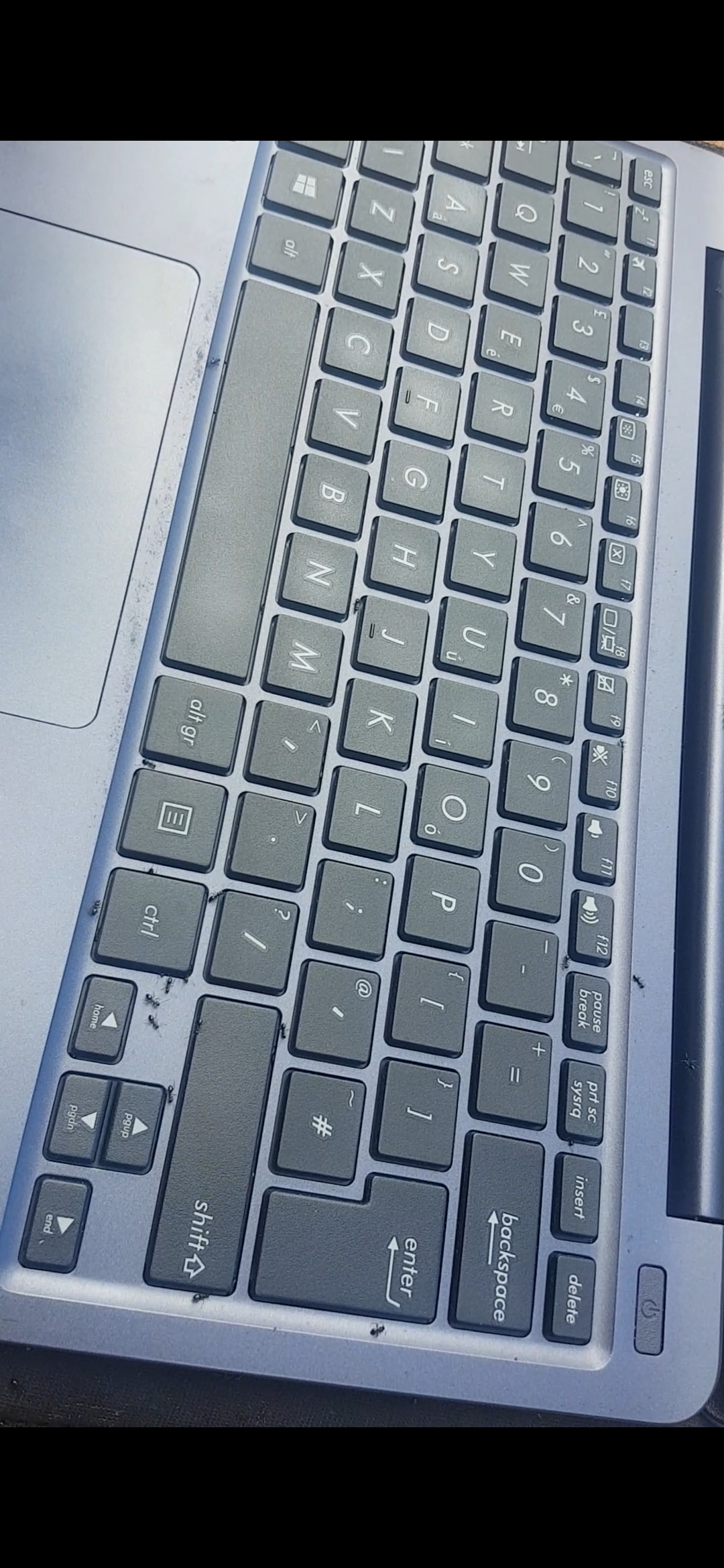
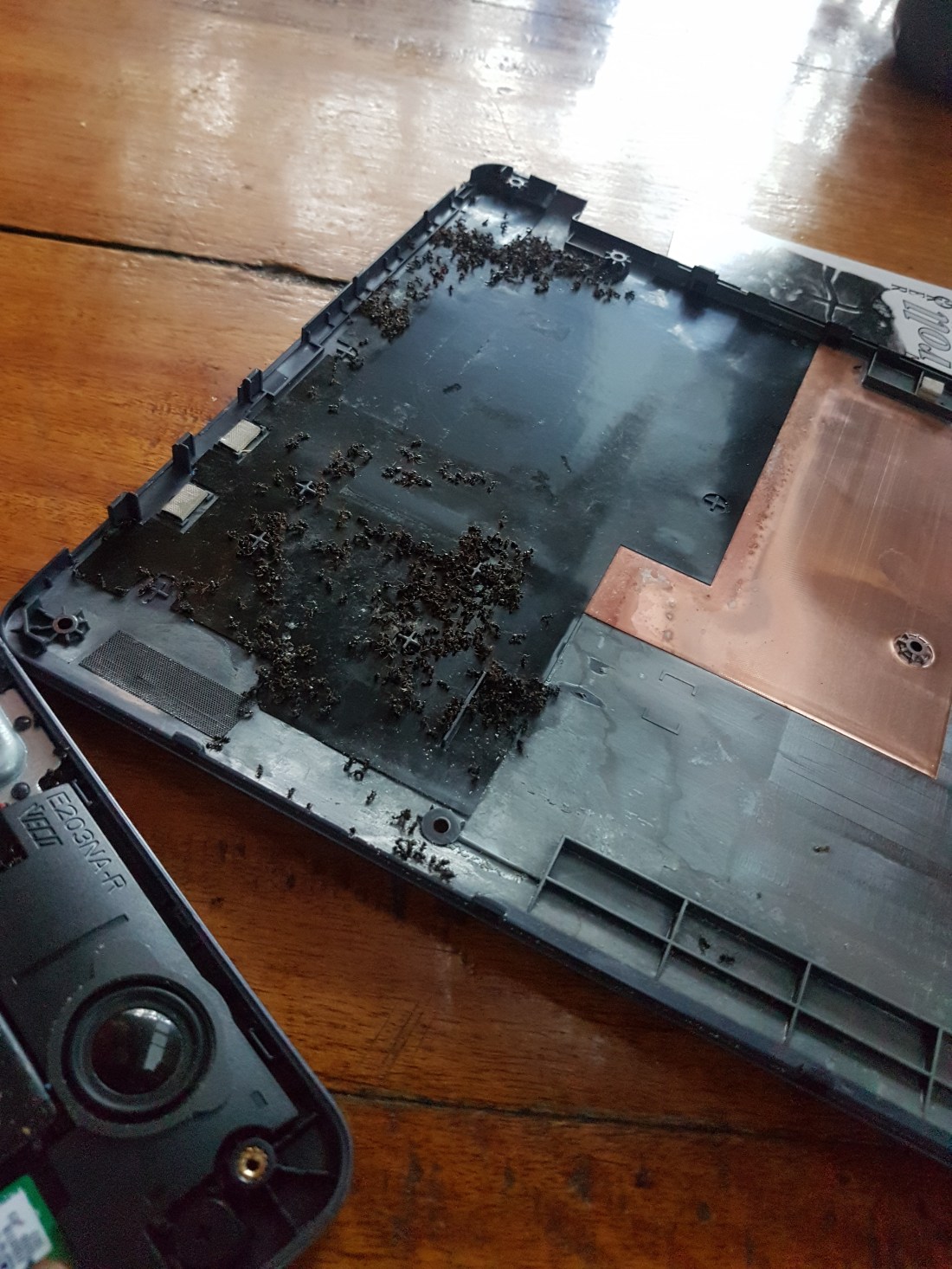
When we got back on dry land we went back to Mayoka village which is when my laptop met it’s end! I had put it on charge and left it on a shelf in the hostel and accidently left it there over night when I got to it in the morning the shelf and the laptop were covered with ants I mean properly covered I could barely tell my laptop was there!

I took it off the shelf and it smelt of battery acid. I removed the ants from the case and realised at that point that there were ants coming from inside the laptop not just on the outside. I decided before trying to tune it on it would be best to let the ants vacate. So I put the laptop in the sun and many many ants started to come out we had to leave that day so I only did it for a while then I had to pack the laptop in my bag.

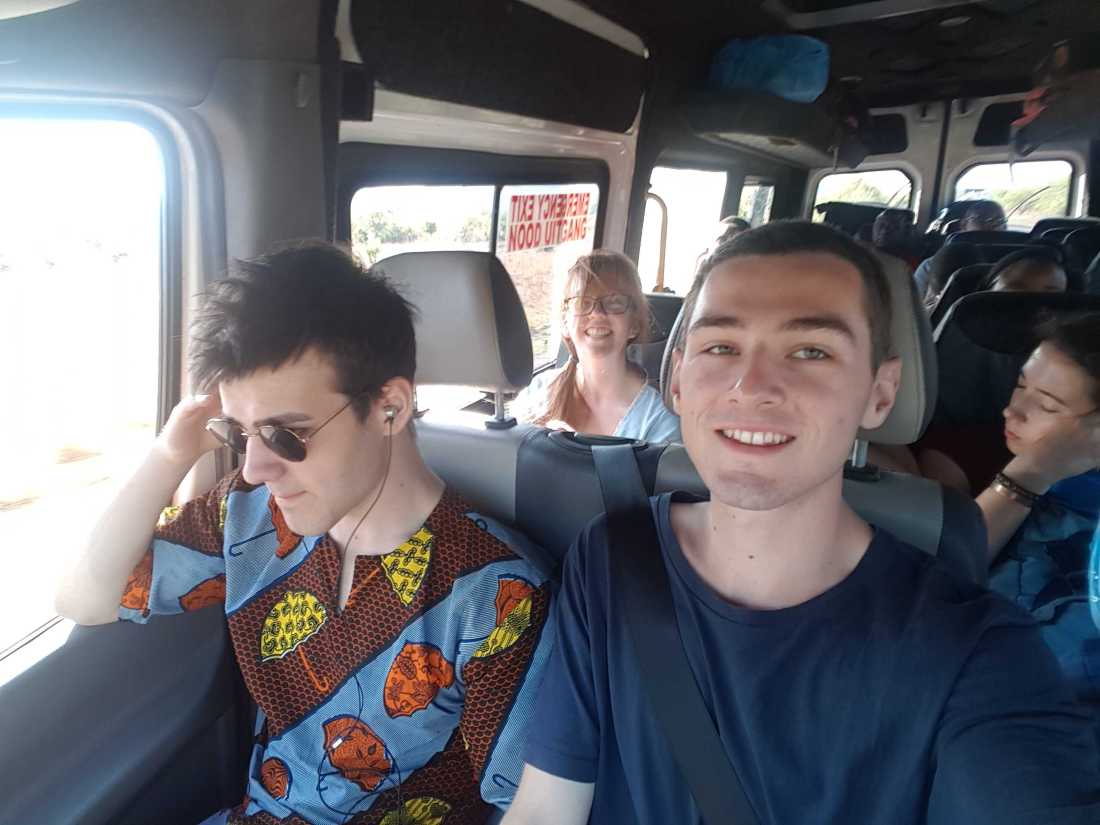
We were headed to mushroom farm an eco lodge further north and away from the lake. We took minibuses there via mzuzu which was cheap but took a while. Mushroom farm is in the hills of an area called Livingstonia there was no tarmac road going to the top so we just got the minibus to the town at the bottom of the hill.

When we reached the town I opened my rucksack to find a few ants around in the bag. I took my laptop out of its case and ants were still coming out of everywhere the ports. I tried turning it on but nothing happened. Later in the week I opened the back to find even more now dead ants it’s safe to say the laptop was well and truly dead.
The ride up to mushroom farm is in the back of a pickup truck for 1 hour over something you could hardly call a road! It was very bumpy and uncomfortable as in the back of a small pickup truck we had around 20 people plus their bags!
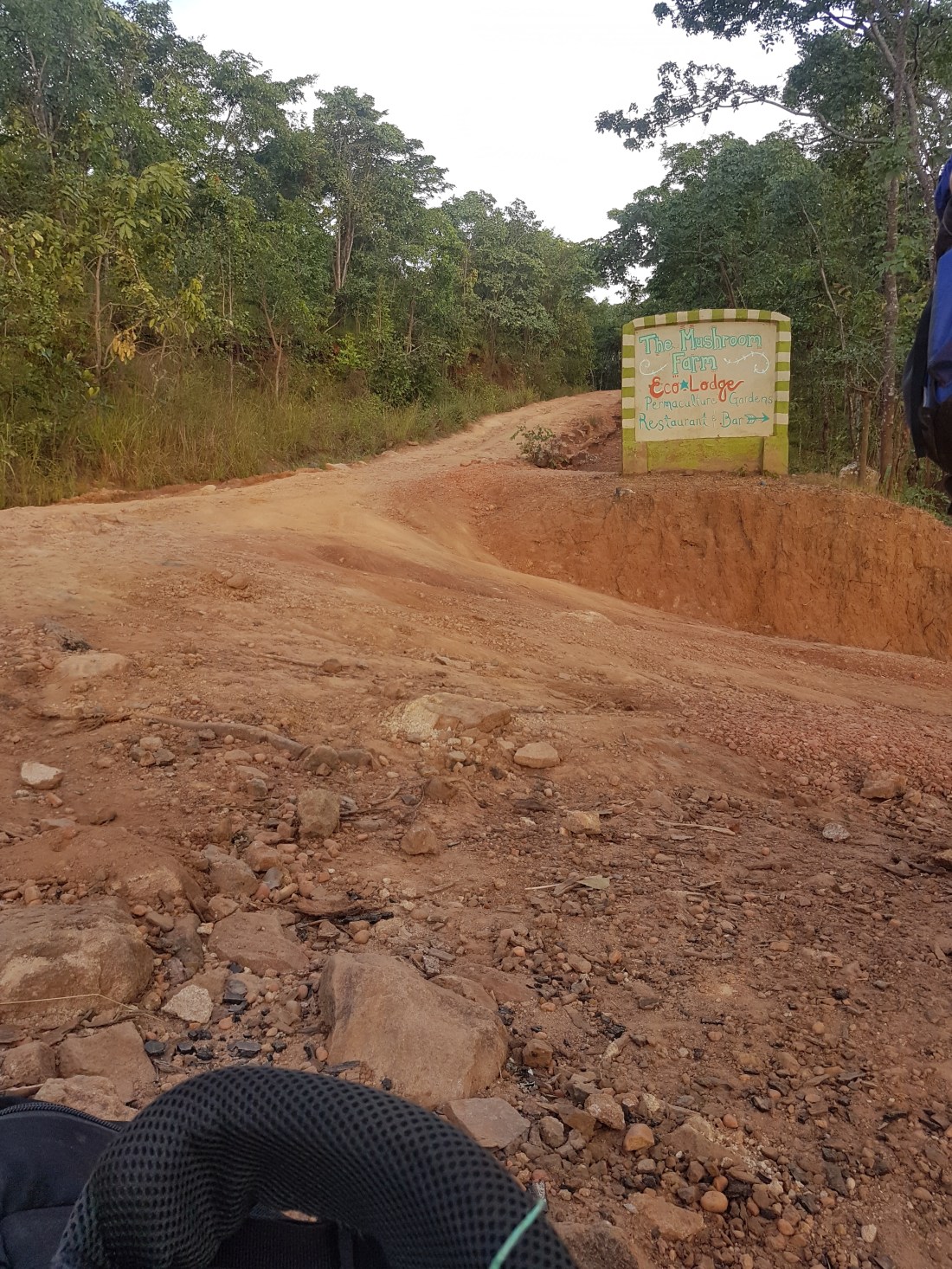
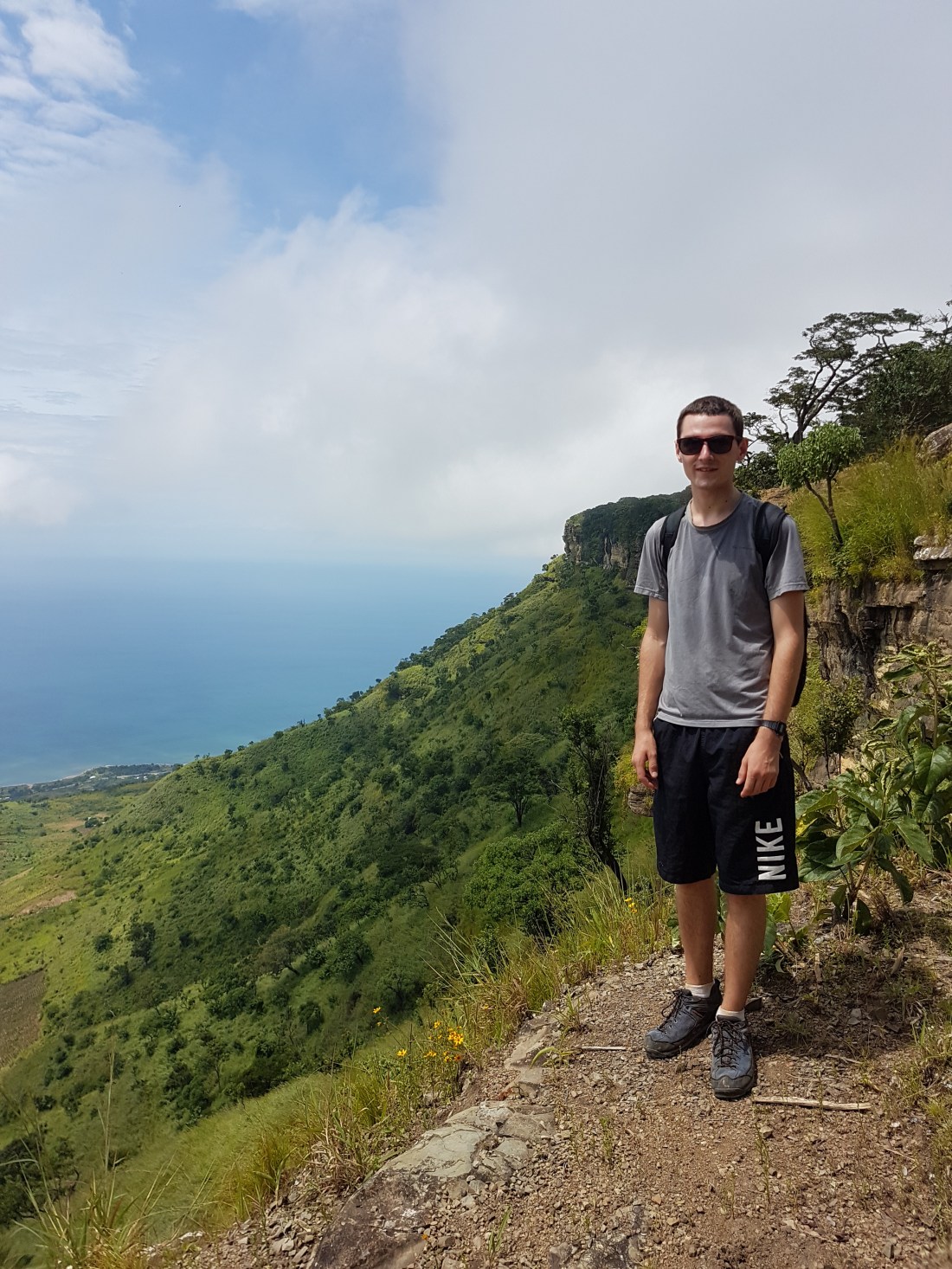
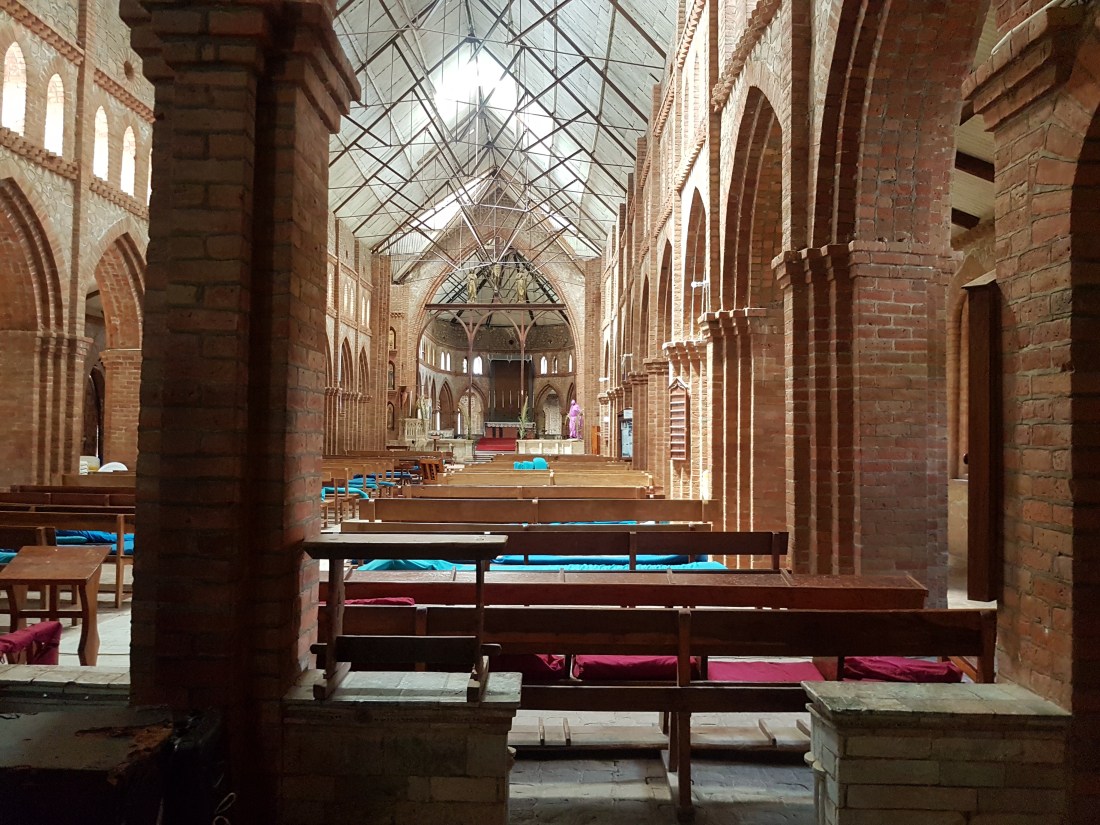
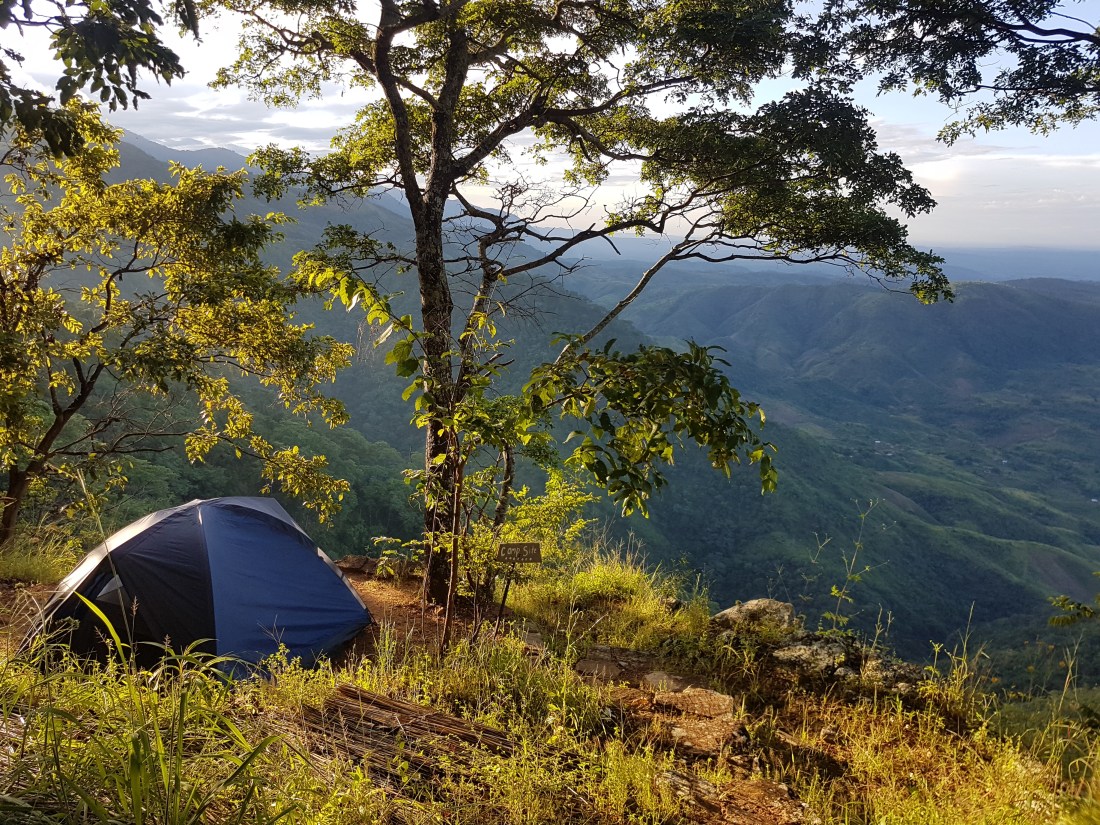
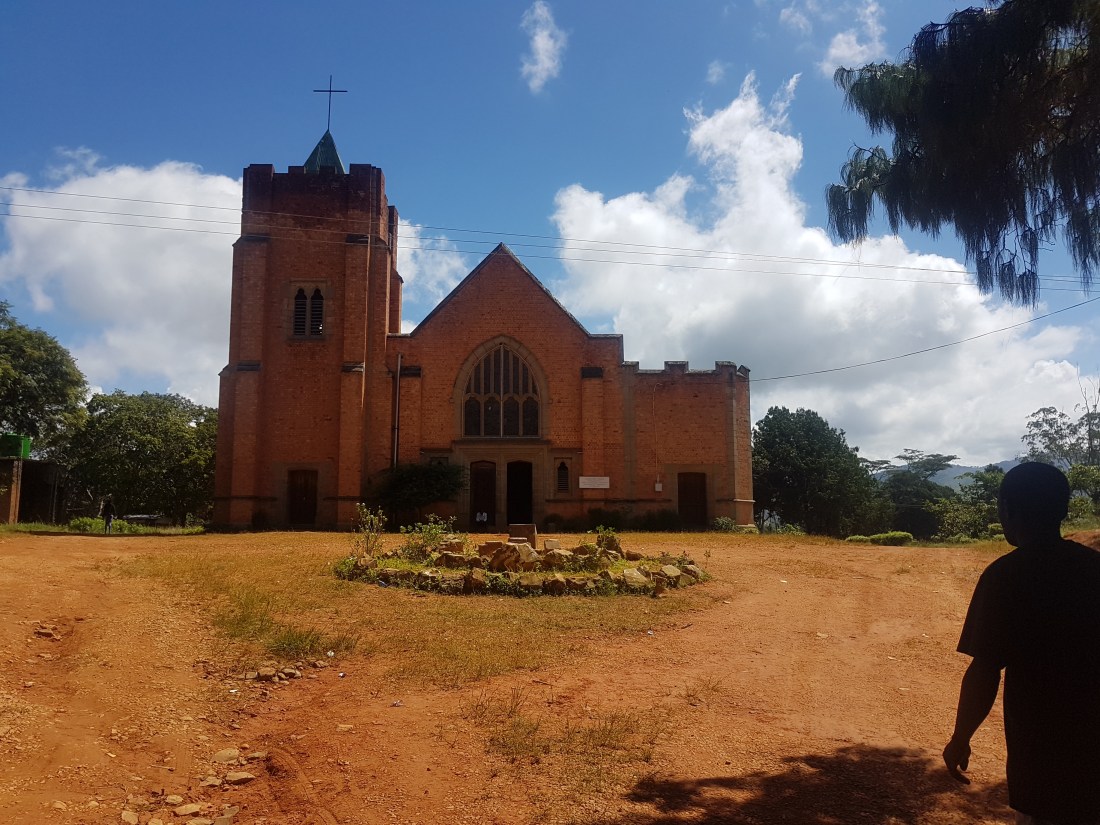
Mushroom farm was amazing! we were camping on the edge of a very high cliff with an amazing view! Whole there we had amazing vegan/vegetarian food and they really knew how do do a good portion size too! It was almost all home grown or locally sourced and all cooked on an open fire as the lodge is off grid completely. We went on a few amazing walks and visited the town of Livingstonia and we even saw the university there which is very small. The town was built by Scottish missionaries so there were lots of Scott’s pines and European looking architecture we went to the museum there and went to see a church which was very impressive! It was the second church and tower we had visited!
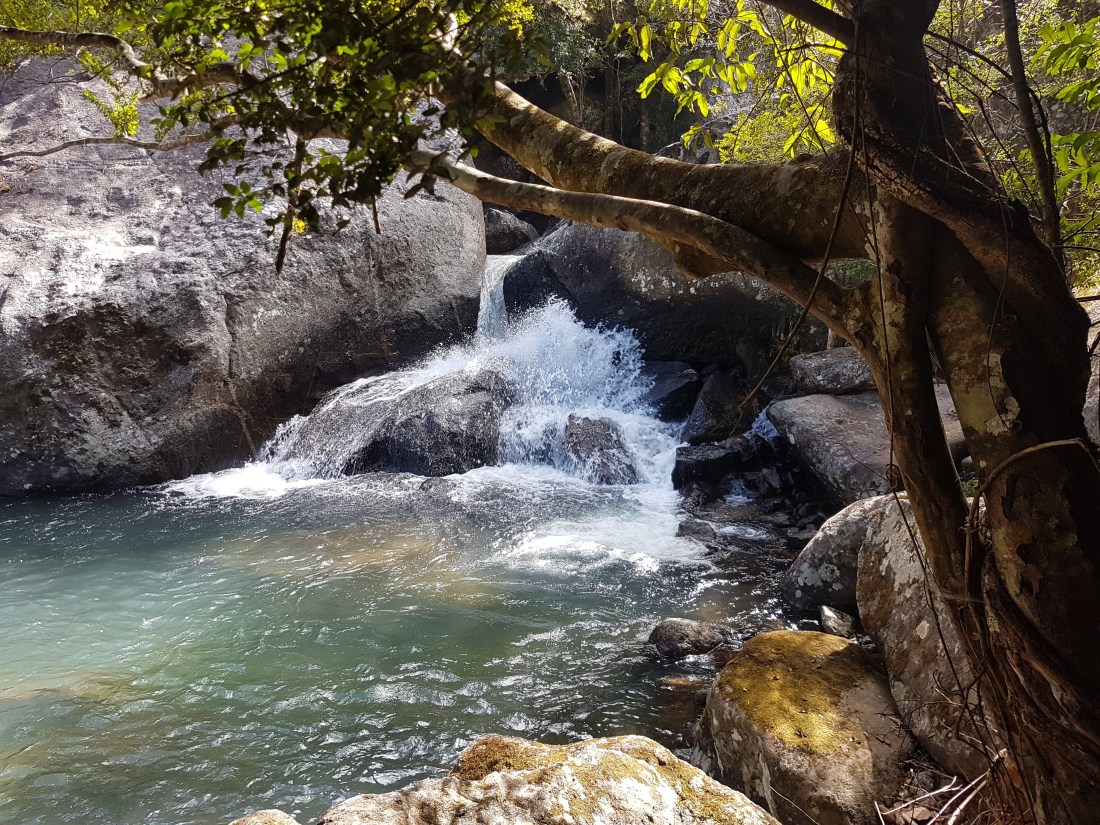
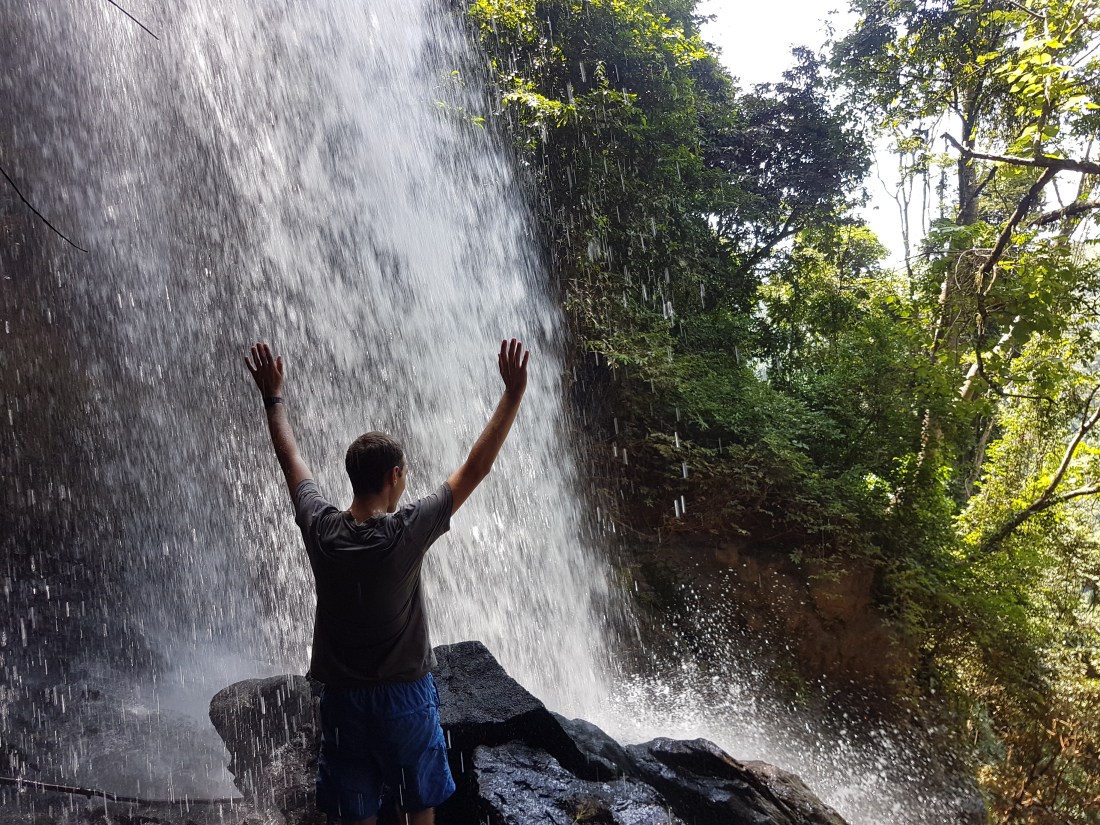
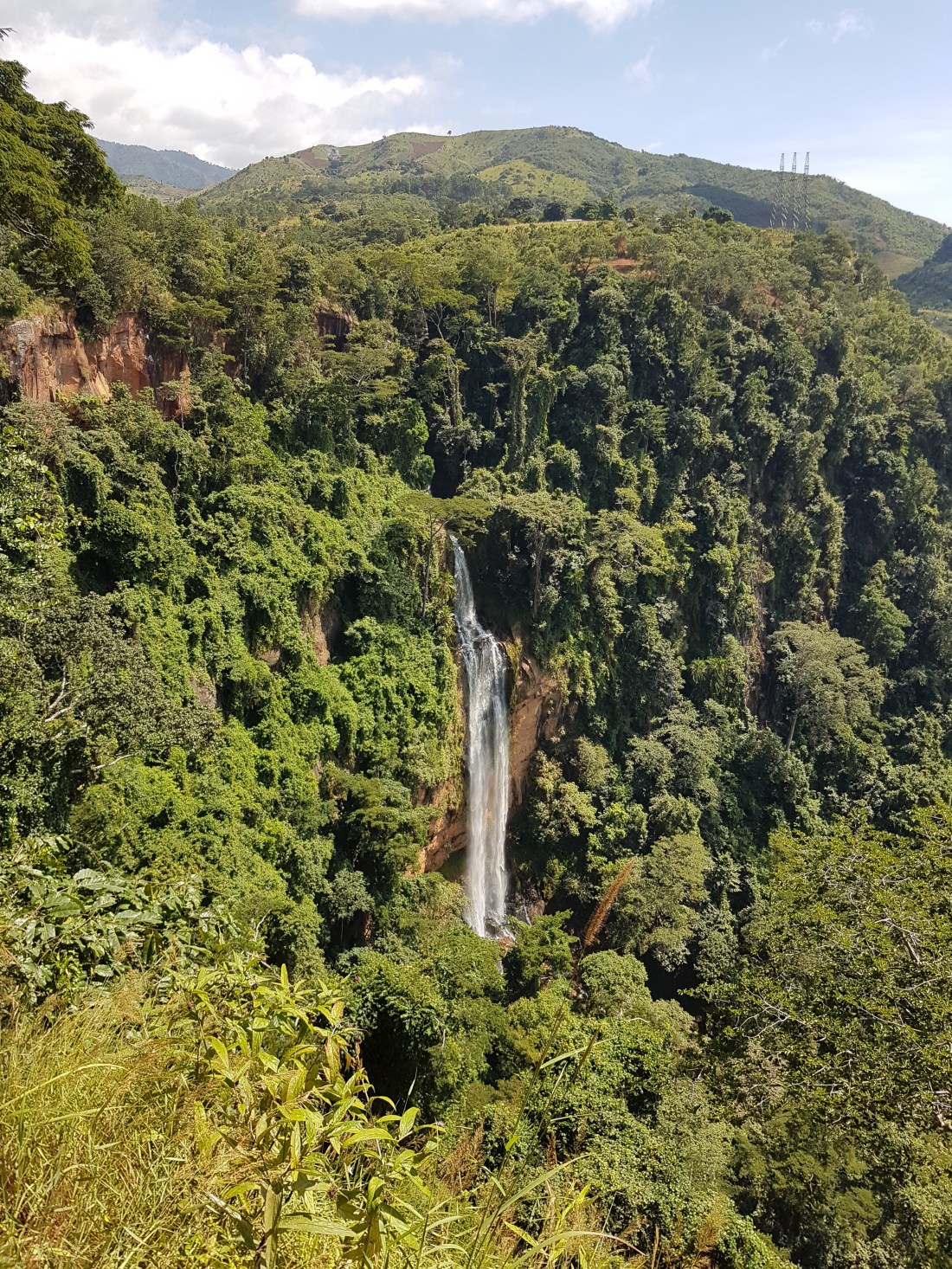
We swam at the waterfall in the area which apparently is Malawi’s tallest. Emily left to go to the UK to visit a relative so we said goodbye to her. We were sad to leave but we needed to move on we aimed to go to monkey bay.
We travelled all day but only made it to senga bay and stopped there for the night where we bumped into Phoebe completely by chance! We had an interesting journey as we kept being sold on by taxi drivers. They do this when they don’t want to drive you to the place themselves as it’s too far so they give some of the money you paid them to the next person to take you to the same place this happened at least 3 times to us and it was about 8pm or 9pm when we got to the hostel.

We only spent one night there and there was only us there. We then travelled to monkey bay. It was an amazing bay where we camped on the sand. There wasn’t all that much to do. We learnt how to play the game called Bao which is a traditional African game. Although everyone seems to play it their own way.

We stayed a couple of nights the food was odd to say the least. Andrew and I went for a swim which was nice as we went a long way and explored some rocks. On the way back we got pretty scared as we heard a hippo grunting so made a quick exit from the water!
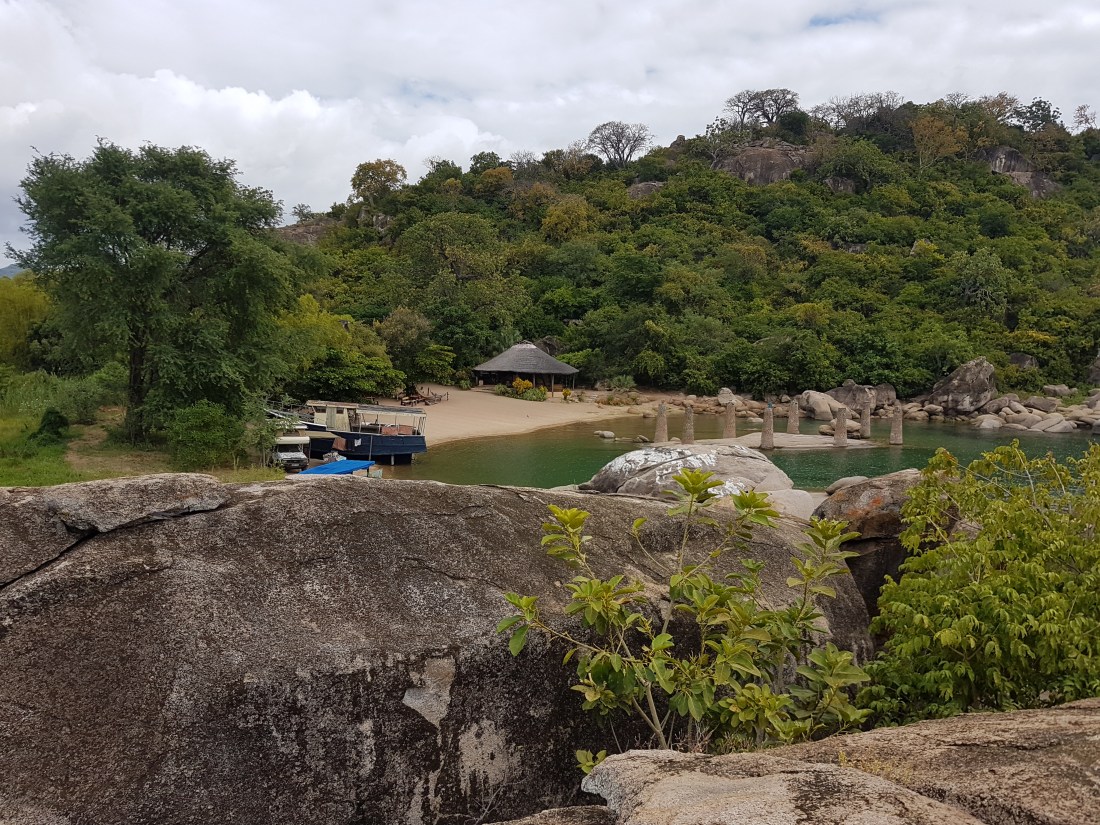
We travelled on to Cape Maclear. We stayed at the hostel whose manager we had met in Livingstone while he was on holiday. We were camping in the back of the hostel. It wasn’t as nice as other hostels in my opinion as Cape Maclear was a very touristy place (for Malawi anyway) there were a lot of lodges on the shore.
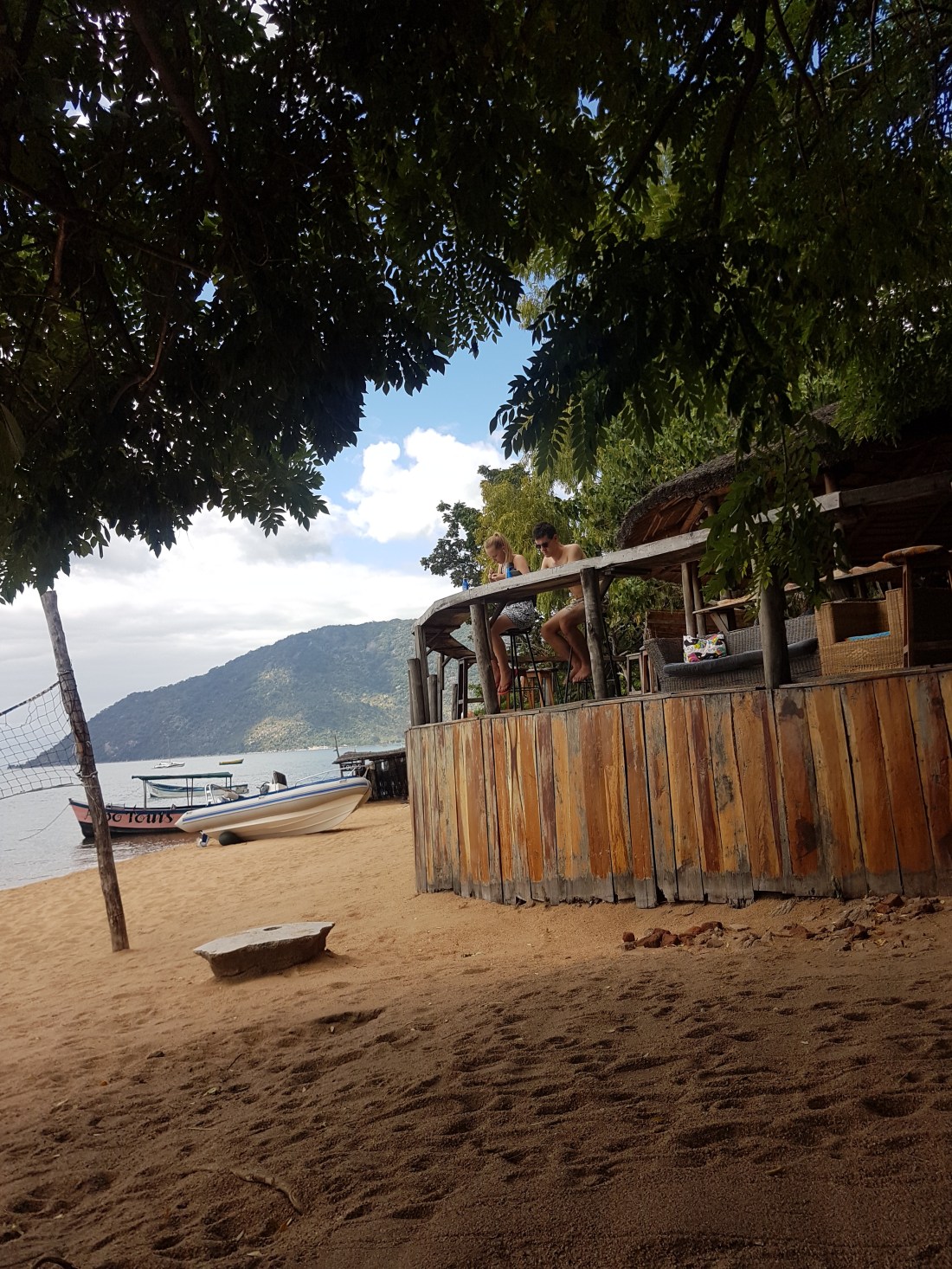
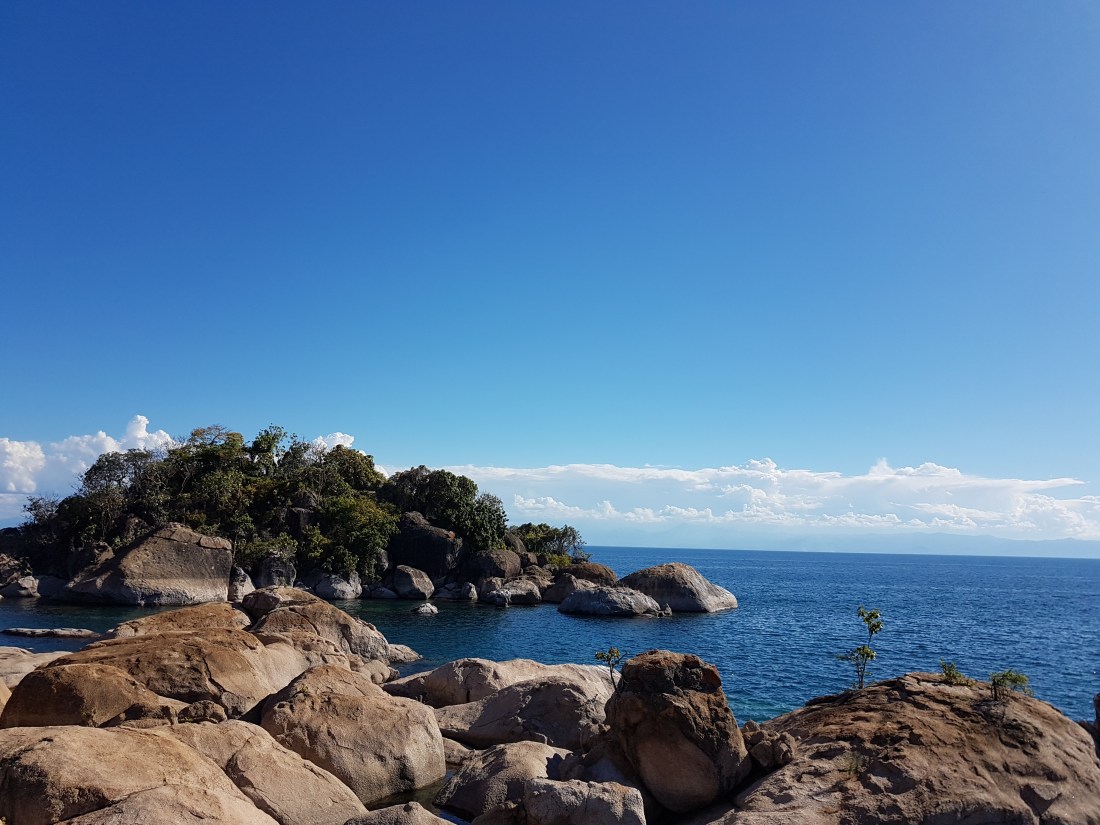
There wasn’t so many things to do that weren’t quite expensive so we mainly just chilled. We paddled out to one of the islands one day and snorkelled and also went to Otter’s point.

Most of that part of the holiday was filled with us being ill we all got I’ll to varying degrees me and Andrew the worst. We think the water in the lake is quite dirty people wash themselves and their clothes pots and pans which probably made us ill. We spent way longer than expected there as we couldn’t travel when we were ill so we pushed leaving back. Then we went Mulanje which was yet another long journey.

We met our guide Sanderson at the bottom of the mountain in a town called Mulanje then took a taxi up to a hostel at the top of the town. We stayed one night and then the next day we set off on our walk.

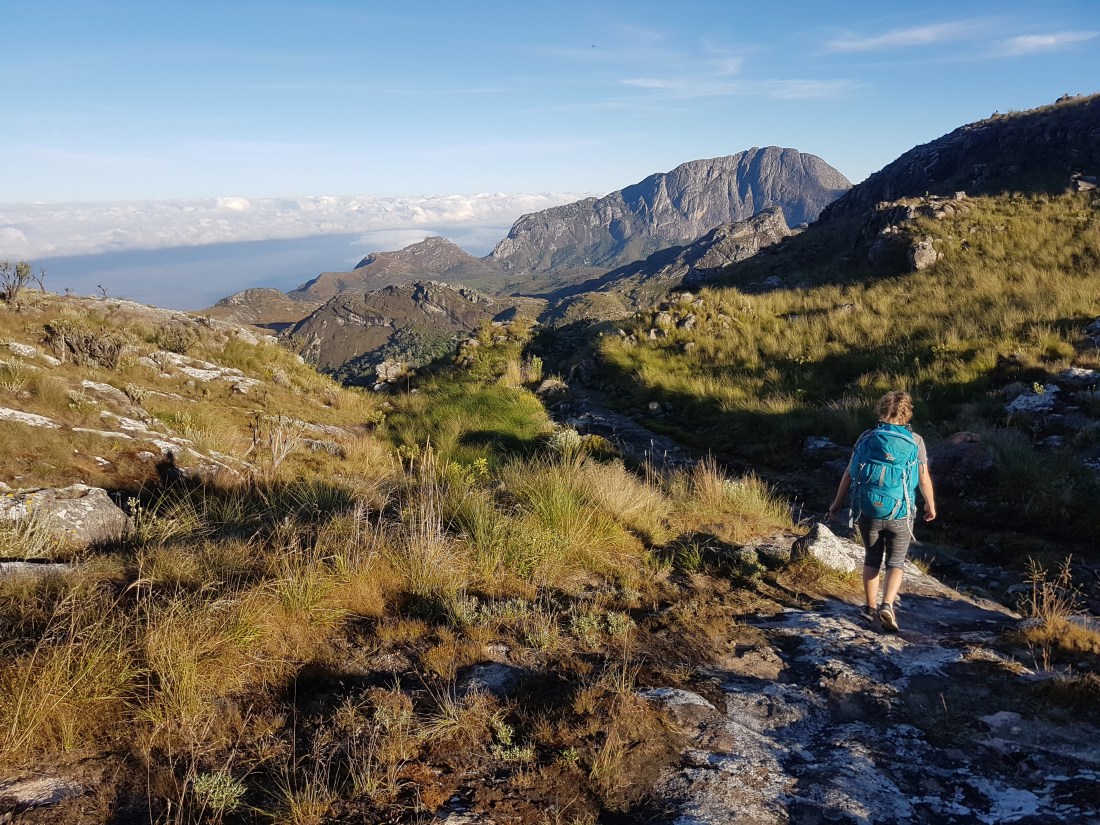
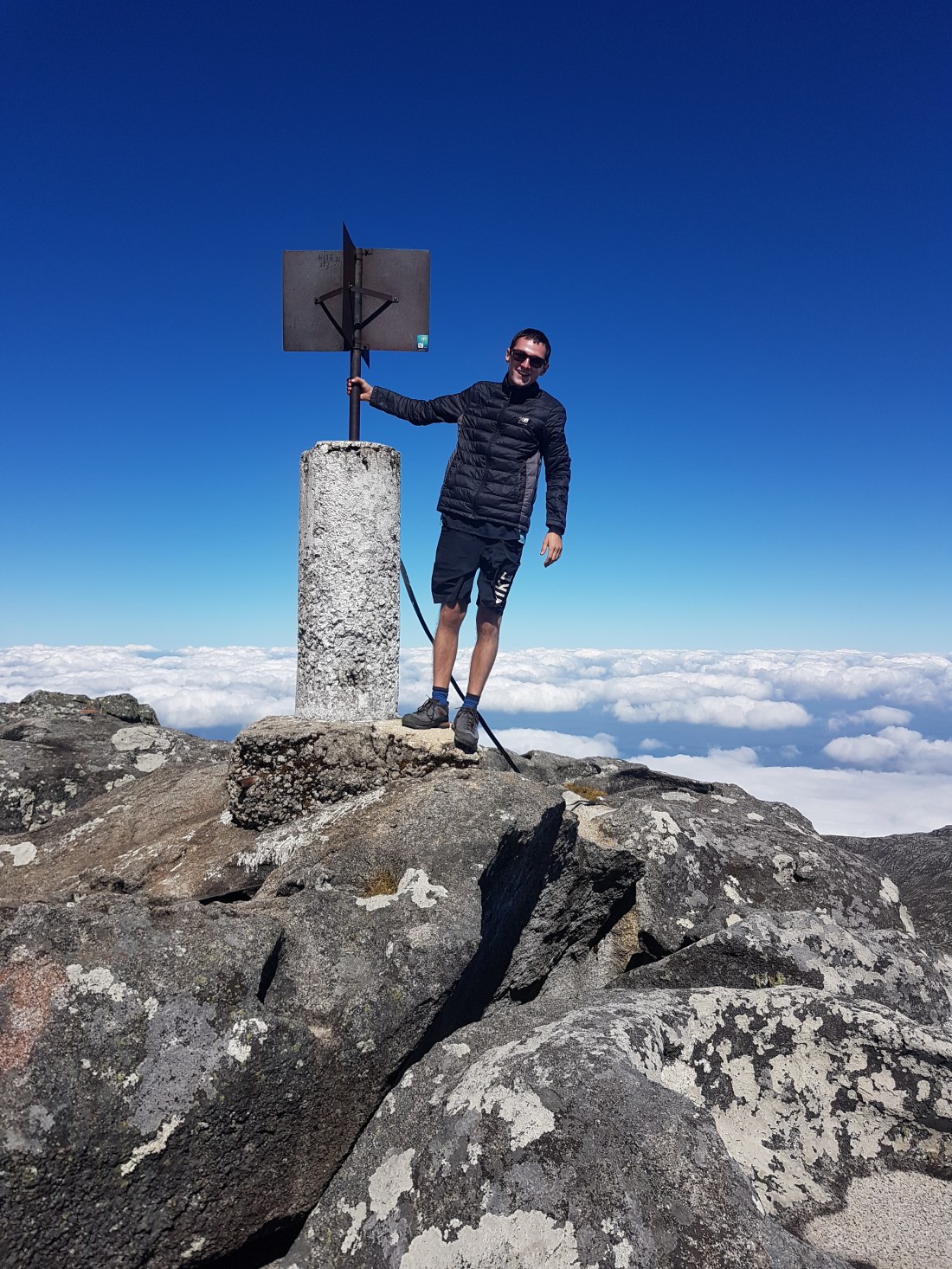
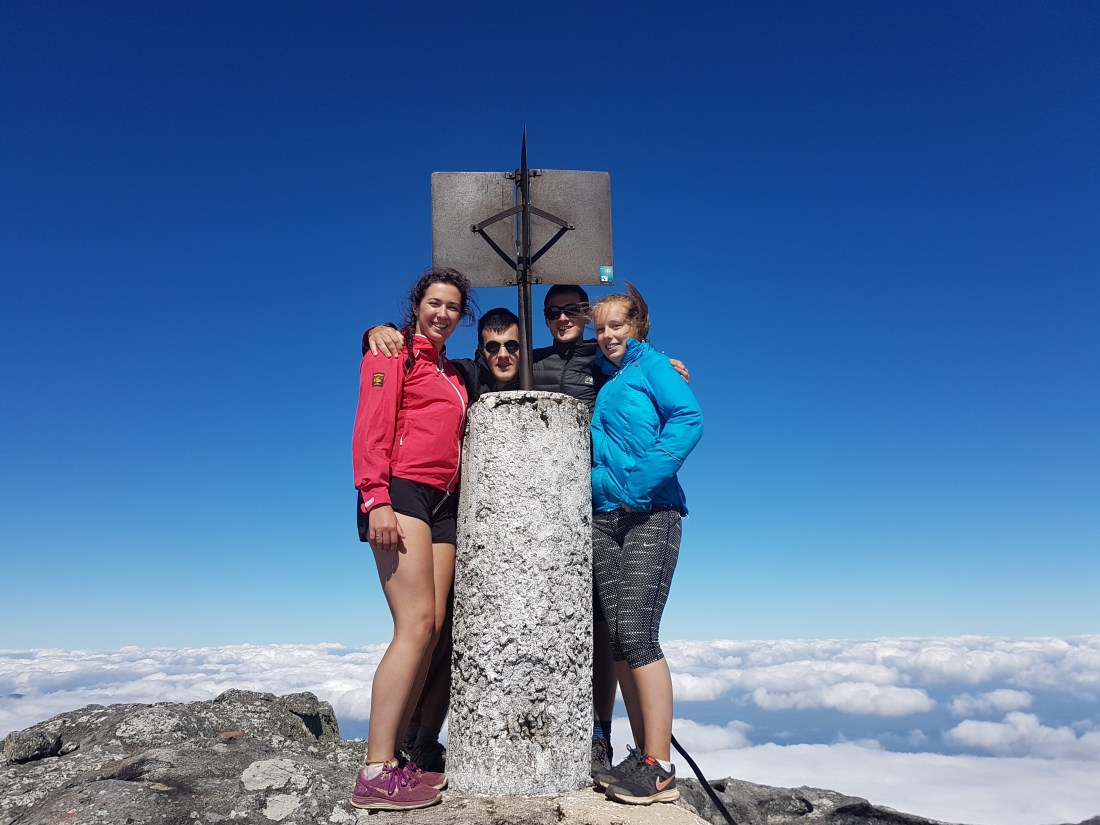
Mount Mulanje is the name for the mountain range we were in. The peak we were heading for was Sapitwa which means don’t go there. It’s 3000m above sea level. We had to Cary our own clothes water and equipment but the food was carried by our chef and guide. We were staying in huts built on the mountain specially for walkers.
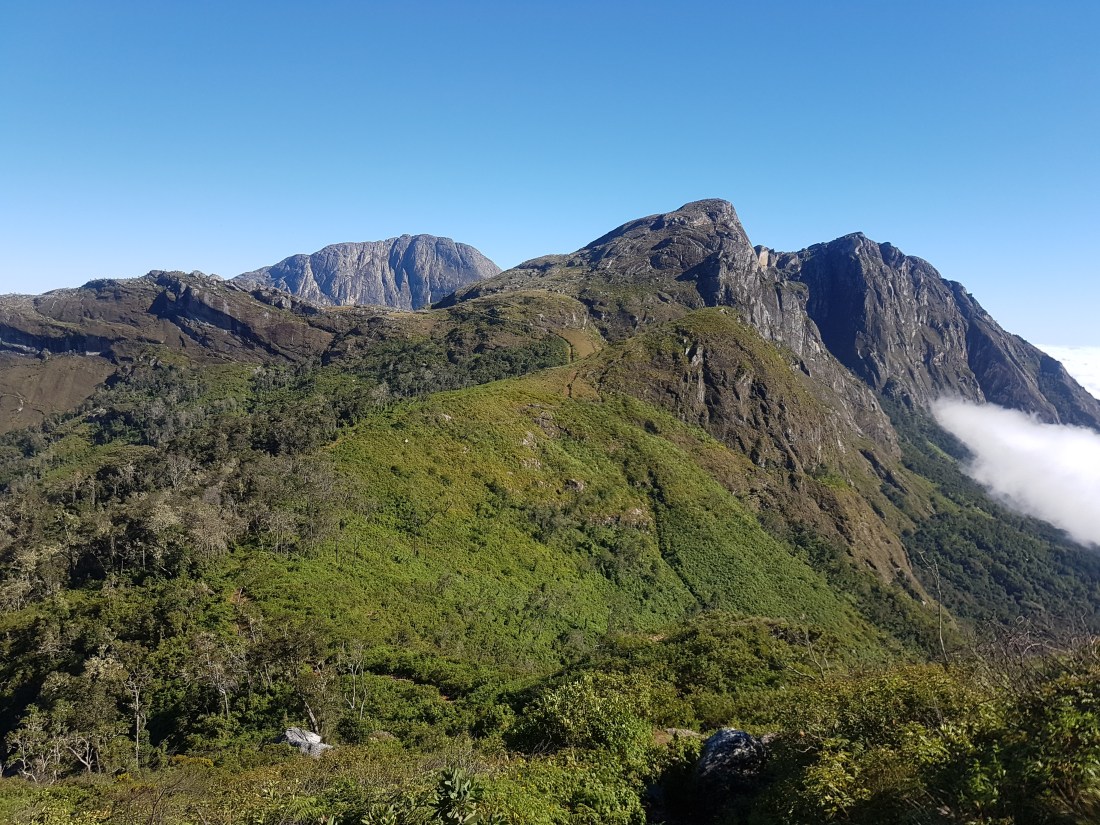
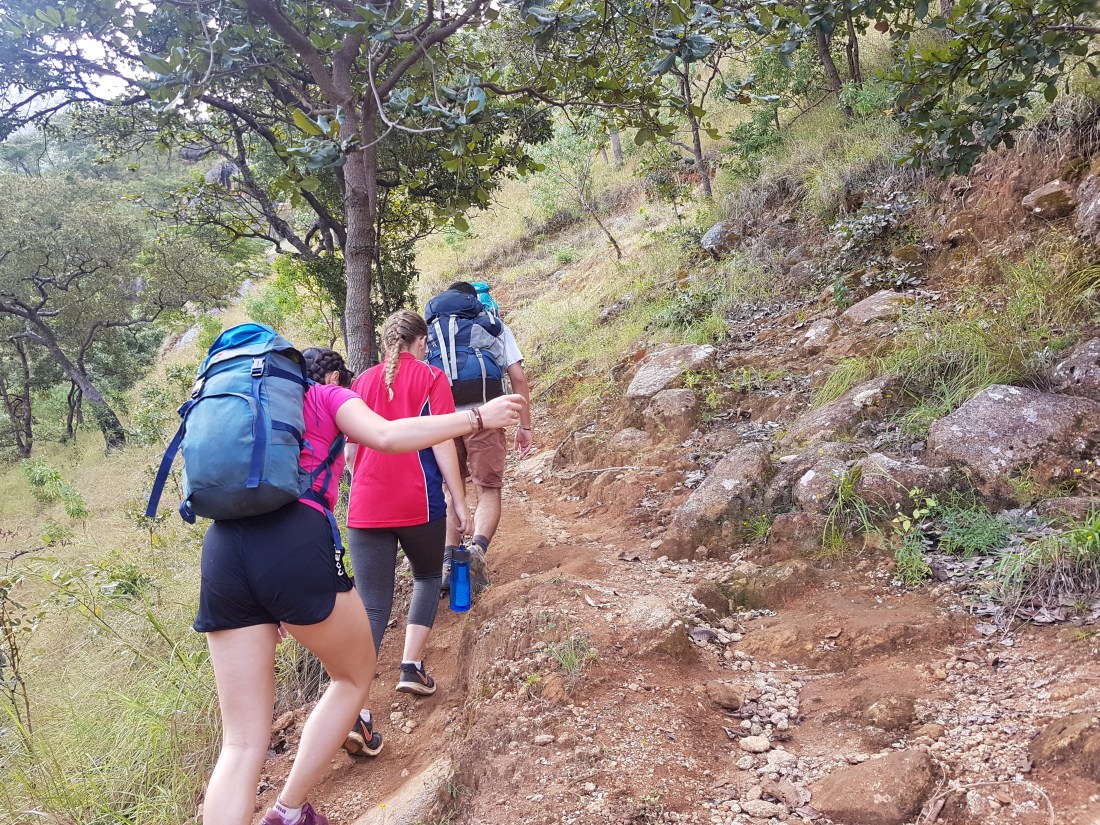
We set off about 9am on the first day and it’s safe to say it was very very hot! We all struggled quite s lot that day. Our guide set a blistering pace and we could not keep up.

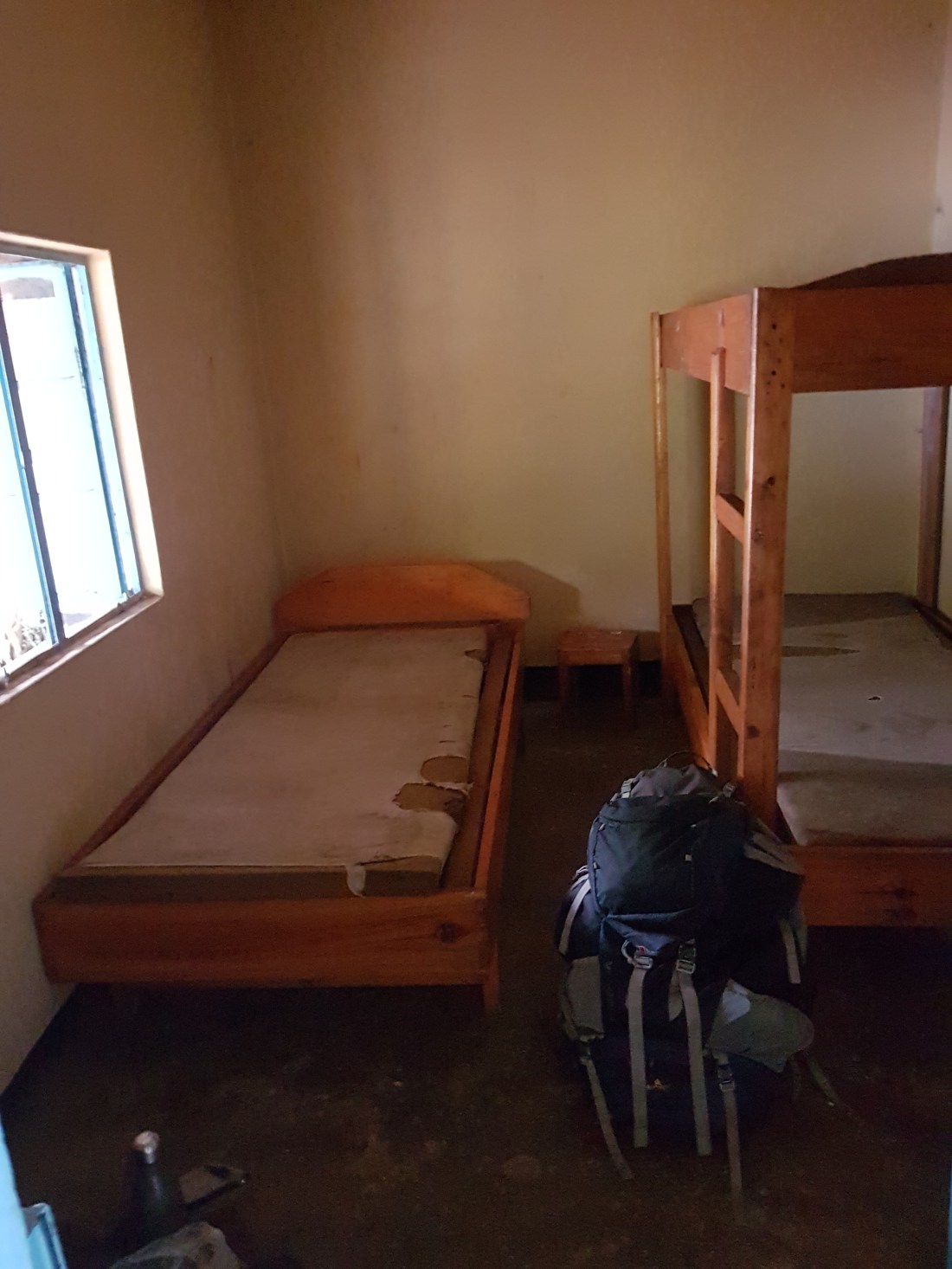
We were all ready for a good sleep that evening we hadn’t even walked a proper full day but we were all really tired. We stopped at one of the huts on the mountain for our night there was no space in the big one so we went to a small with two rooms. The condition of the house was fine but the mattresses were pretty discussing as they were very old and smelly. They weren’t like this at all the places just that one. The huts have no running water or electricity which made it interesting. It was also bitterly cold over night as we were about 1000m above sea level.

The stars were really amazing there though as there was very little light polution. We had nice food on the mountain made much nicer by the fact that we were very hungry. We had some nice snacks too.

On the second day we walked with our bags to one but and then dropped them off. This was about 2200m then we took smaller bags to head for the summit we were going very fast and the going was tough as it was like we were walking almost straight up the mountain as the rocks were grippy enough to do that. It seemed like forever climbing to the top. It wasn’t that cold at the top really but it was windy. We couldn’t see very far away as there was a low cloud over the ground but it was still a nice view. Coming down was very tiring as we had a lot of height to lose.

When we got to the bottom I decided to have a shower which was nice as they heated water in a bucket for you although once you stop pouring water on yourself it soon gets very cold!

The next day we headed down to the bottom of the mountain and tool a stop for a quick swim in a mountain pool. It was very very cold! I couldn’t stay in for longer than a minute or two as it was too painful!

When we reached the bottom we collected our stuff from the hostel that we had left and set off for Blantyre.

We aimed to get to Lilongwe in a day. But we only made it to Blantyre so we stopped there and found somewhere to stay which was really nice. We then the next day we got a direct lift to Lilongwe and then to the border finally we got home. We really enjoyed the holiday then it was back to work.
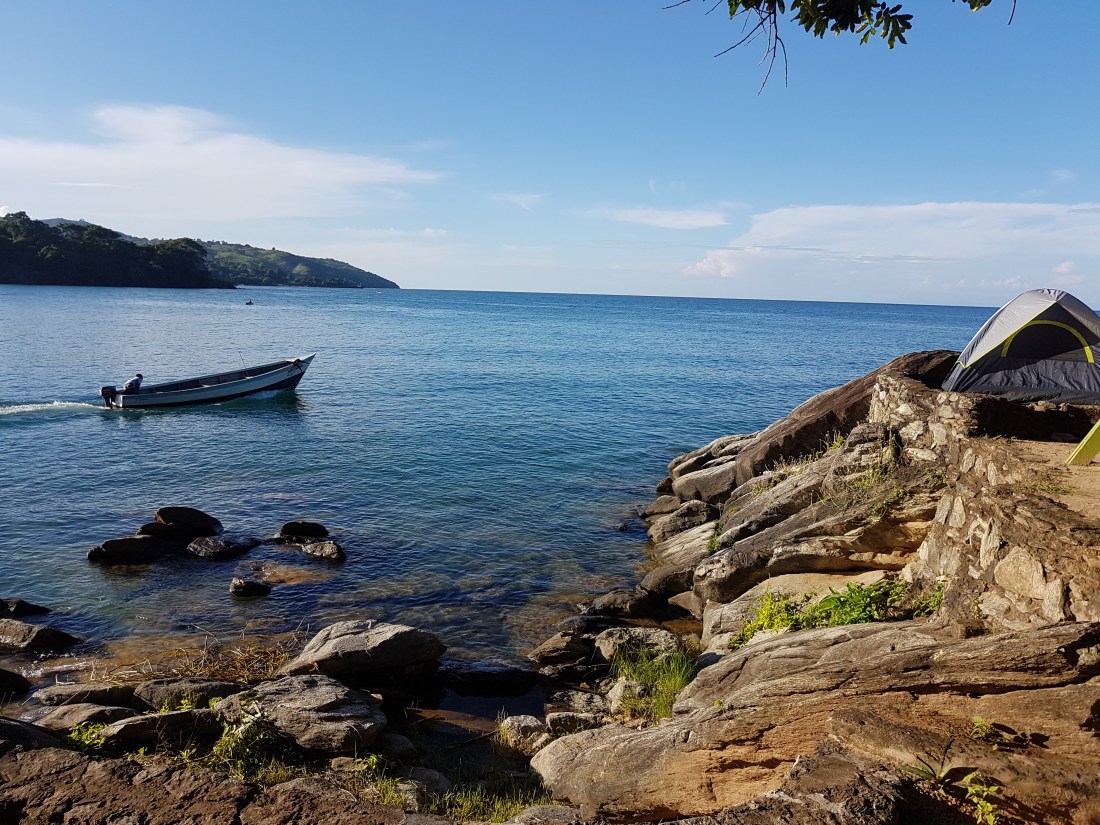
Holiday in Malawi

We finished the term nicely with a final assembly before the students left to go home. They were on their way home by 8am and they had been up for a very long time. There were a lot of taxis to take the students home while some people’s parents had come in person to collect them. To say the taxis were overloaded would be an understatement. A small hatchback had over 7 trunks in the boot and many were completely overhanging the back of the car! Sadly I didn’t take a picture of it but I will try to get one when this term ends. It was amazing how fast all the students left with just a few left by around 9 or 10.The school had some spare chickens in the poultry so each of the teachers were given one each. Unfortunately we were leaving the same day so wouldn’t have had time to eat ours so we gave them to some students to take for their families.Once they had all gone I went home and finished packing my bag and by about 3 we set off with our bags to catch a taxi to Chipata.There we met up with the girls and stayed at a hotel/guest house for the night. We had pizza for dinner in Chipata. We found a taxi driver for the next day and got an early night.

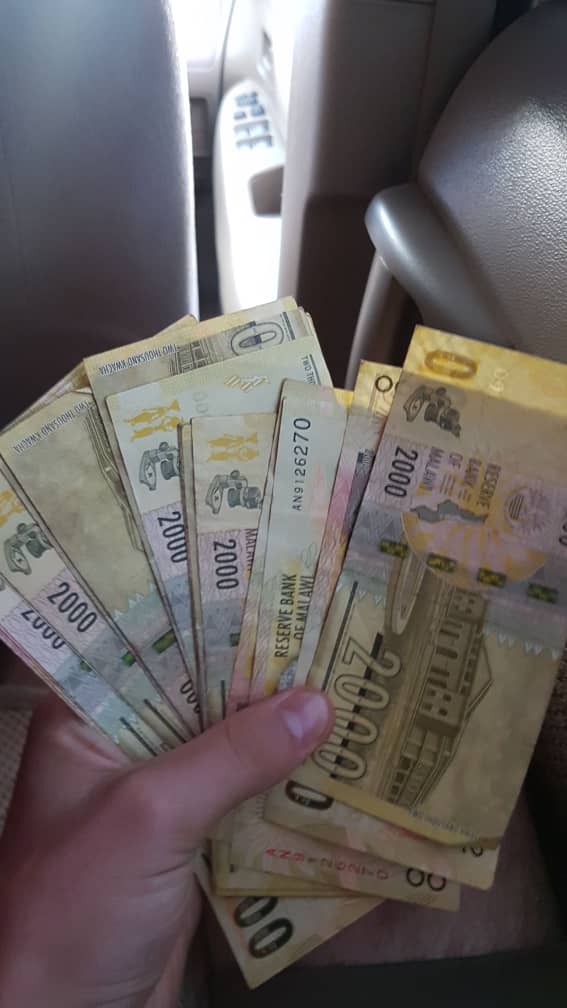
The next day we set off but not very early. It was a very short taxi ride to the border. Entering Malawi was simple, pay the rather expensive visa fee of $75 and you’re in. We then got a sharing taxi to a nearby town then a minibus to Lilongwe the capital of Malawi.Lilongwe was crazy. Much bigger than Chipata but less developed than Lusaka. There weren’t as many western looking areas as in Chipata or Lusaka. There were stalls everywhere and a lot of people. The thing we all noticed is that Malawi is much more densely populated than Zambia. So even when driving along the roads there are a lot more villages and people around. Whereas in Zambia you can drive for a long time and see no sign of people living close.We were aiming to travel to Nkhata bay to then north of the country. We needed to get out some Malawian kwacha from an ATM. We also wanted to get a Malawian SIM card so that we would be back online again. getting cash was relatively fast however getting the SIM cards took a long time. Each of us had to register using passport details as part of an anti fraud scheme like in Zambia but we were wanting to continue travelling so it felt like it took forever. We spent around 2 hours in Lilongwe getting cash and SIM cards. Although it was crazily busy I felt fairly safe as I usually do in Zambia.The money in Malawi is interesting the exchange rate was about 1000 Malawian kwacha to one pound and, although it is quite a cheap country, many things we paid for were around £10 so 10 000 Malawian kwacha. Eventually we did get used to it though. The other thing is that the highest denomination note was 2000. At the cash machine you could only take out 80 000 at a time and since card payments only really happen at supermarkets in Malawi we needed a lot of cash. So we all ended up with 80 notes which felt like a lot of money but it was really only about £150. We had to take out cash a lot whilst on holiday!

Malawian Kwacha

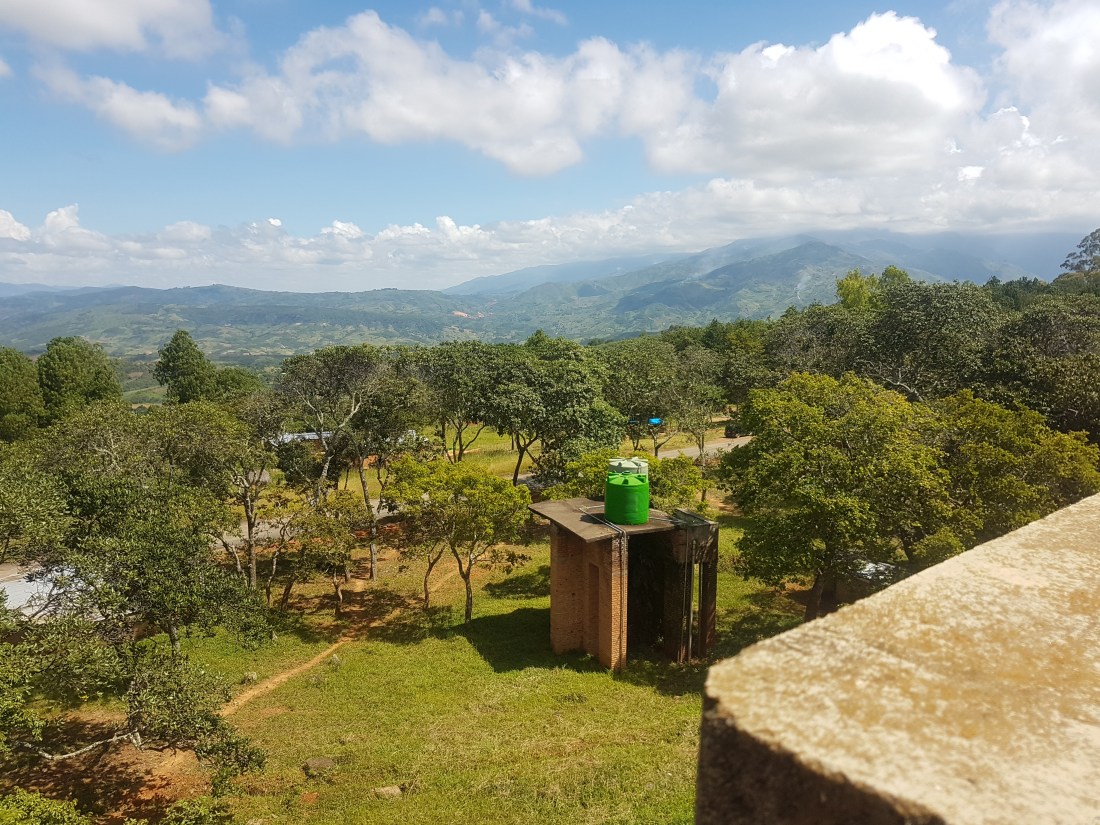
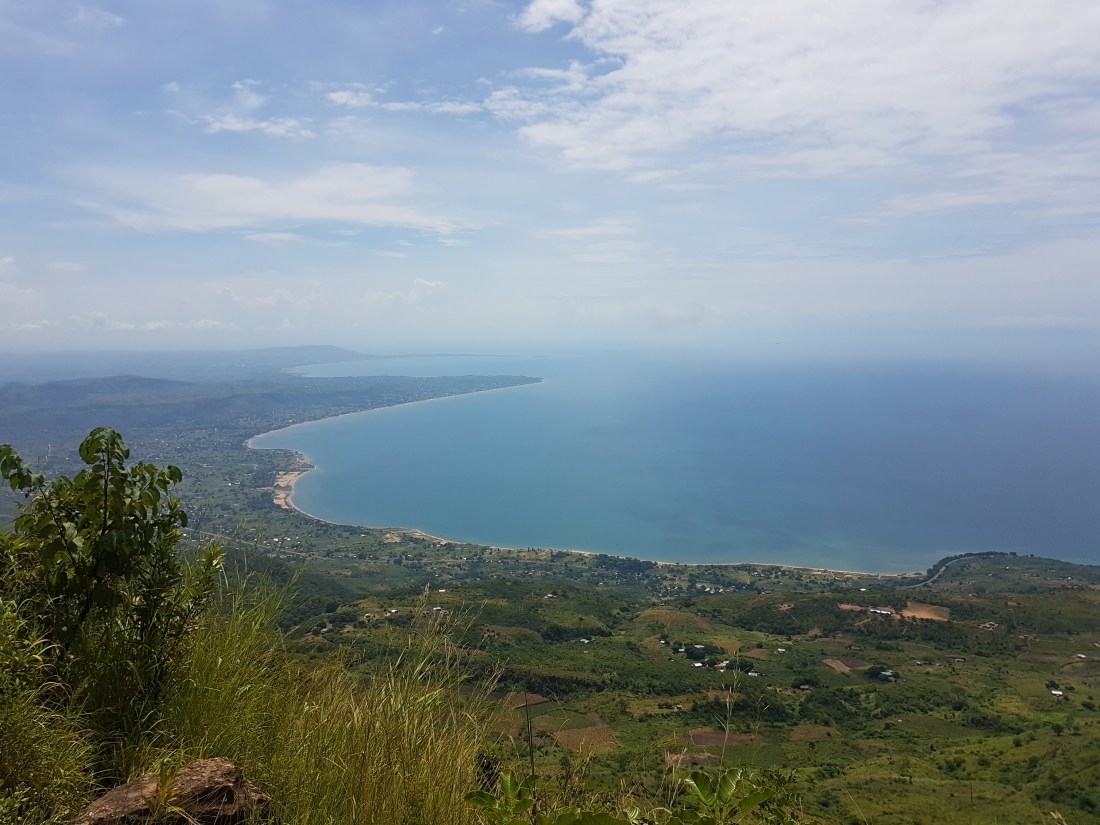
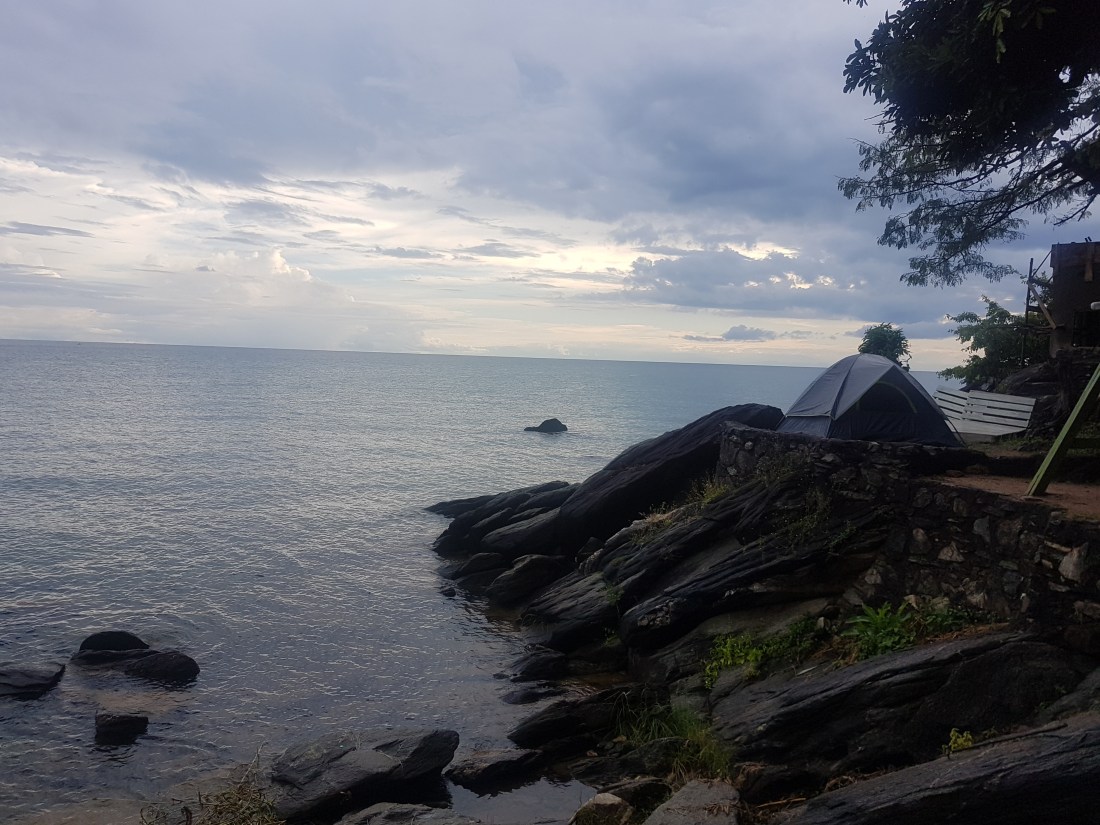
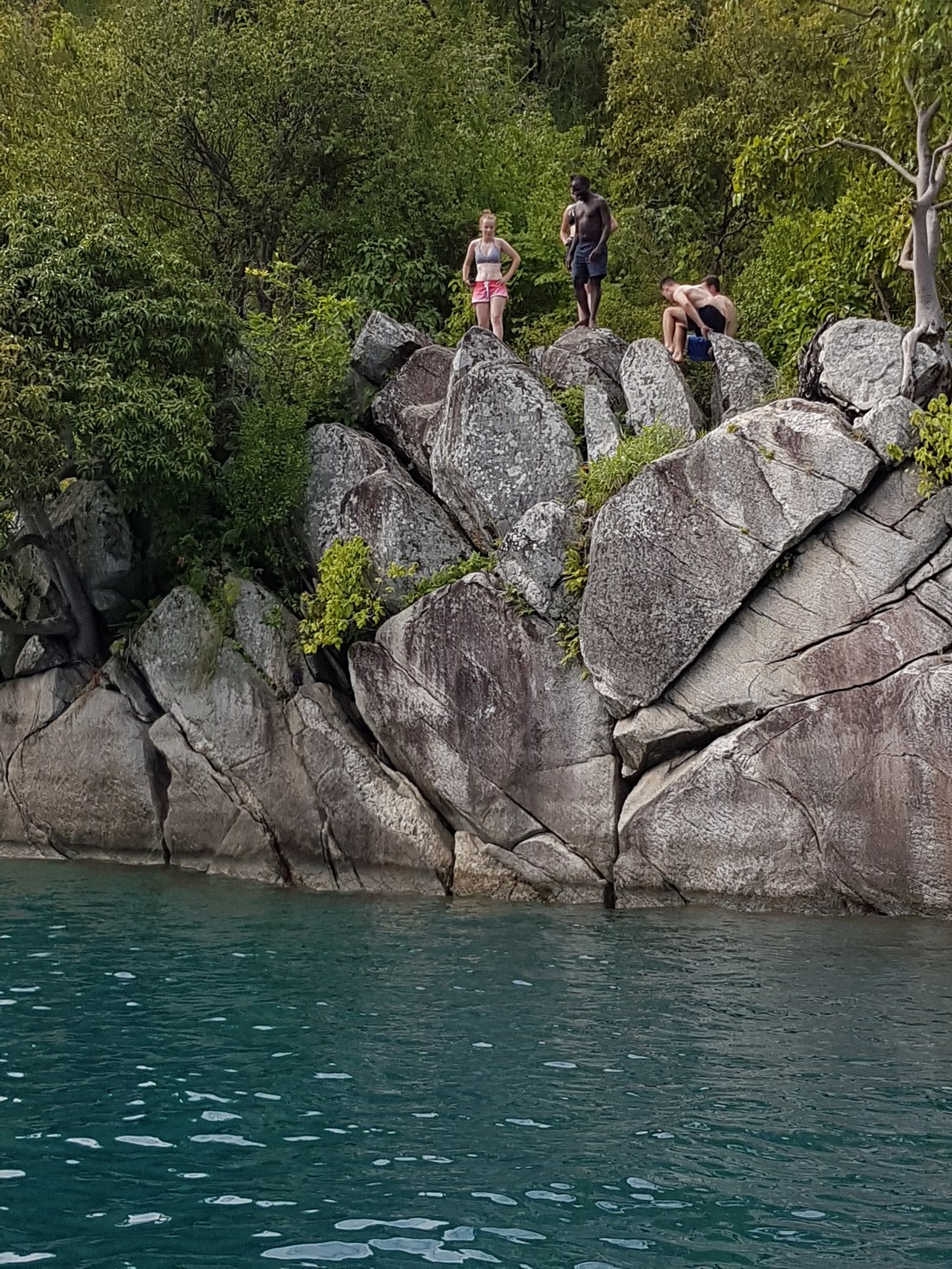
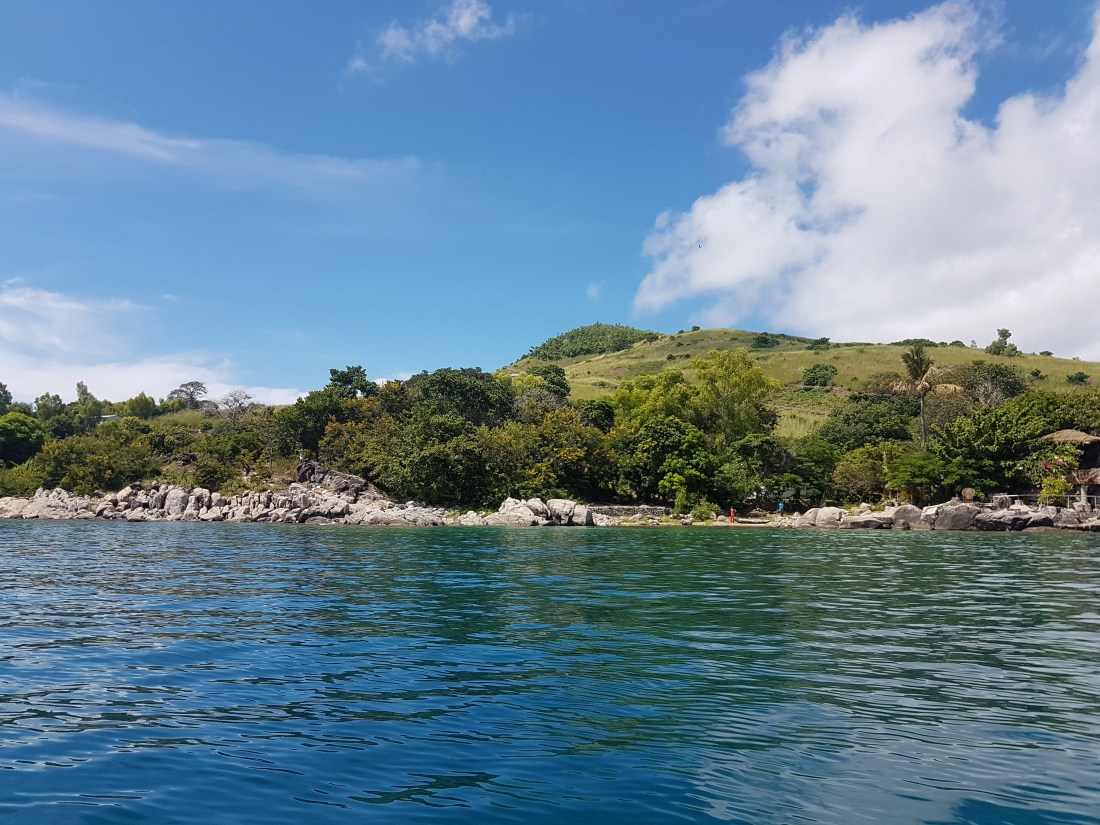
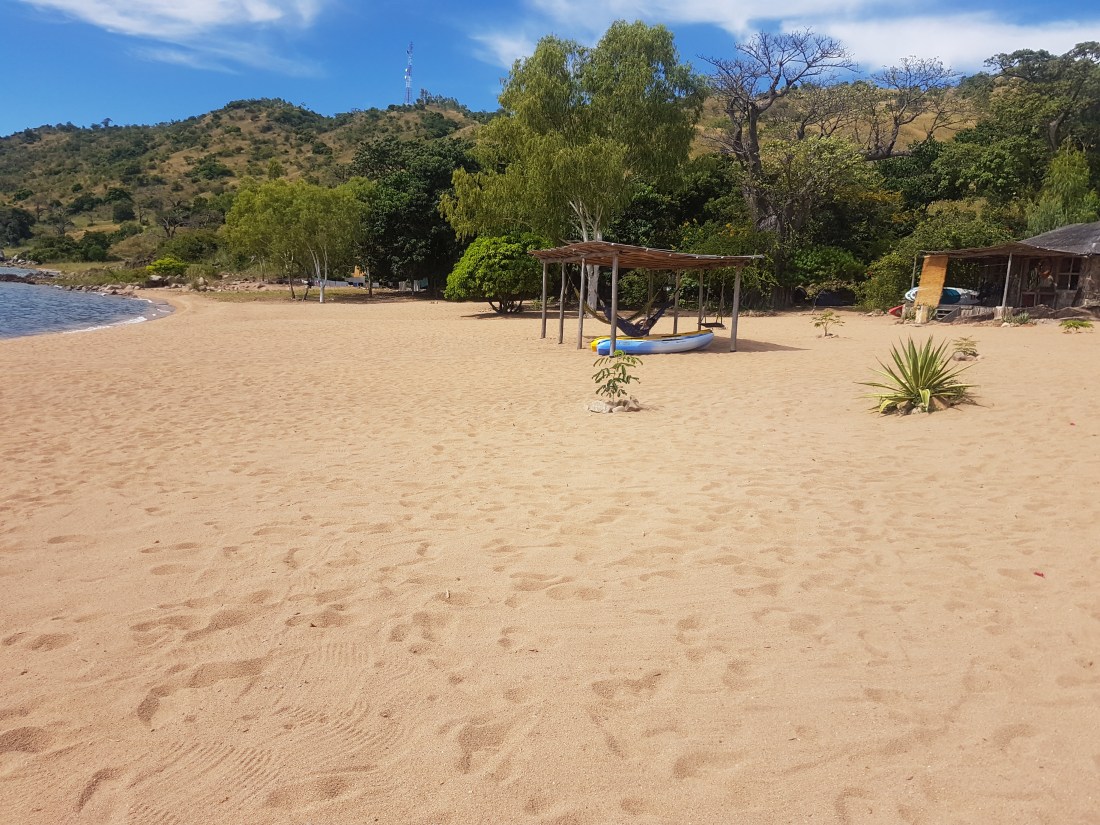
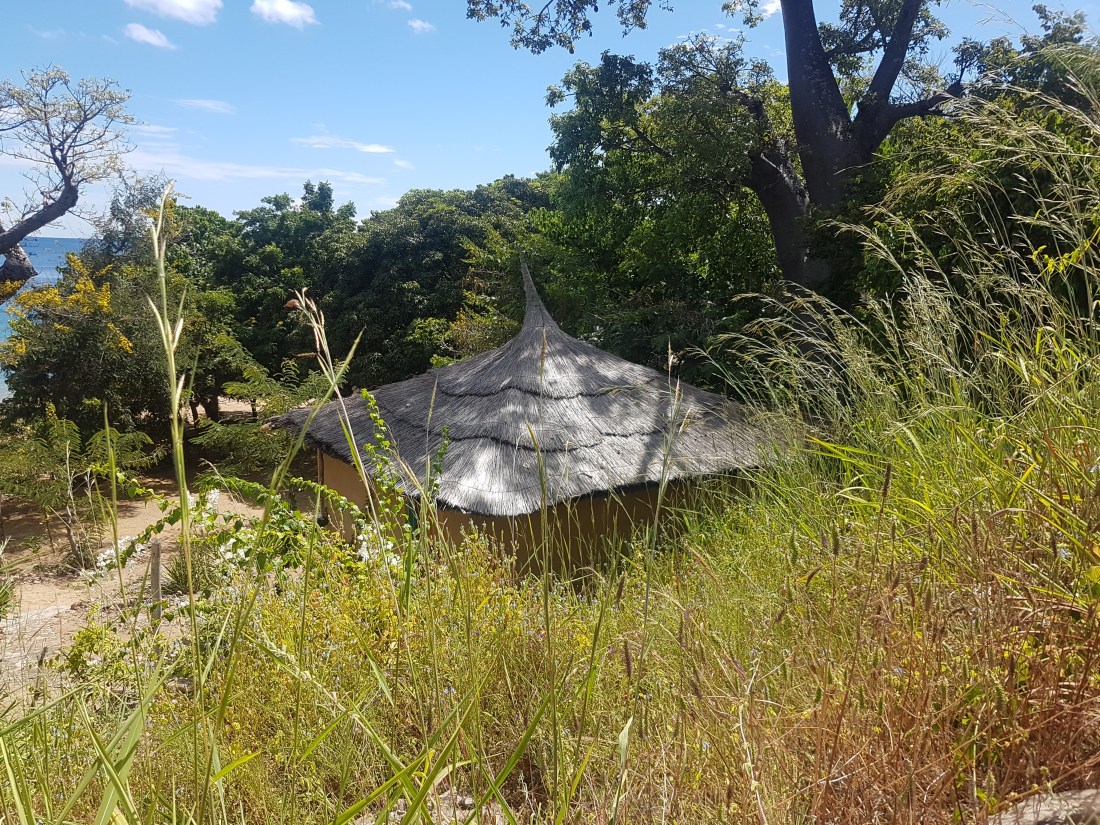
When we had got out of the taxi a taxi guy came over to help us we were confused why he was helping as he didn’t ask for any money. After he stood with us until the Sims were sorted he offered us a taxi to Nkhata bay for 80 000 which we took since otherwise we would have had to take a multi stop public transport ride. There were 5 of us so it really wasn’t that much for a 7 hour drive. It was good to be in a car knowing we would get to our first stop Mayoka village that evening.The highlights from Mayoka village were it was cheap for food and accommodation. It was right by the lake (we were camping less than 3m from the water!). The only thing was food took a long time to come but it was very tasty when it came. While we were there we went on the paddle boards and kayaks that were free to use, did some cliff jumping, saw some fish eagles went snorkeling and relaxed. The snorkelling was really cool there were lots of brightly coloured fish called cichlids (pronounced siklid) but also our guide showed us some tunnels you could swim through if we wanted. I loved it but I know most of my family found it quite terrifying.Here are some photos

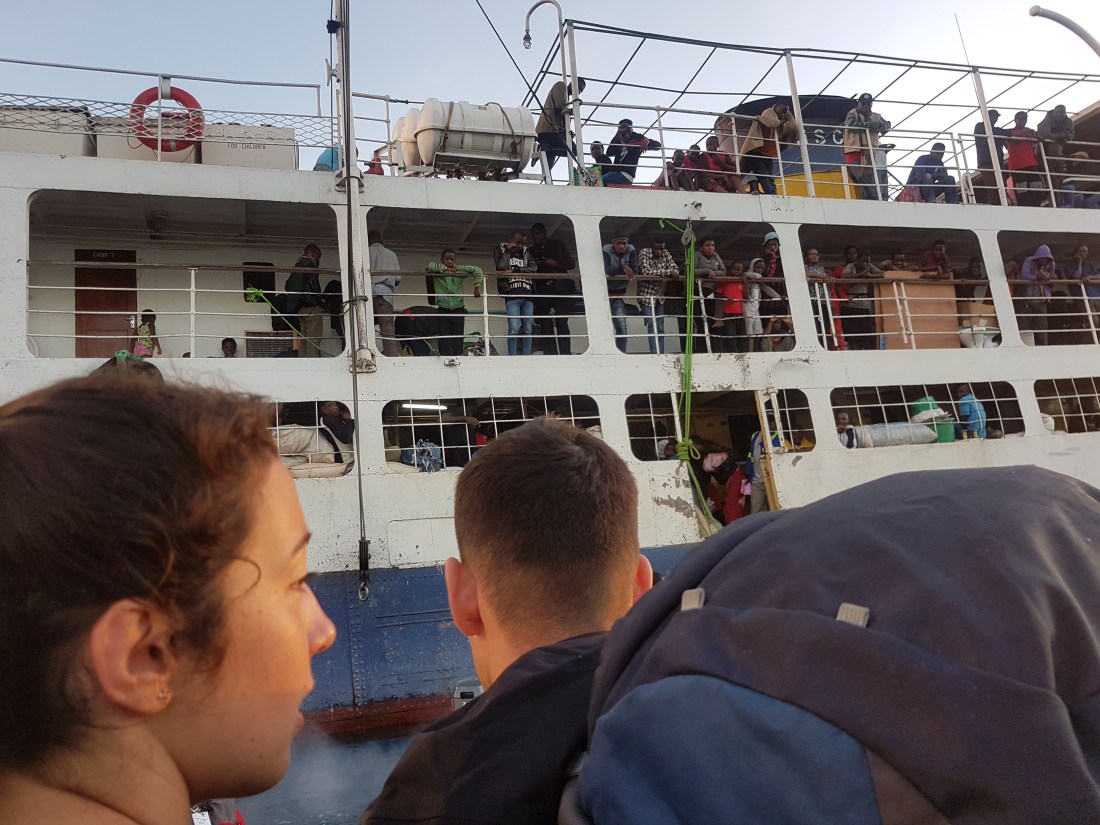
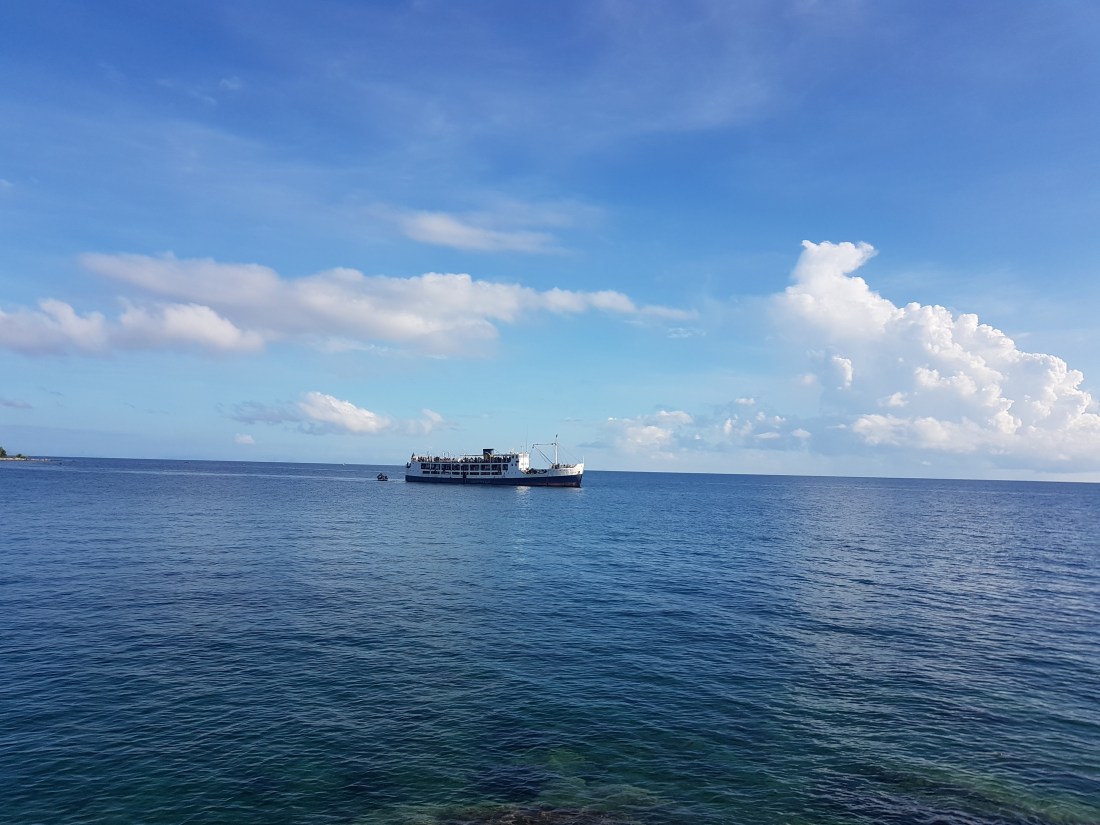
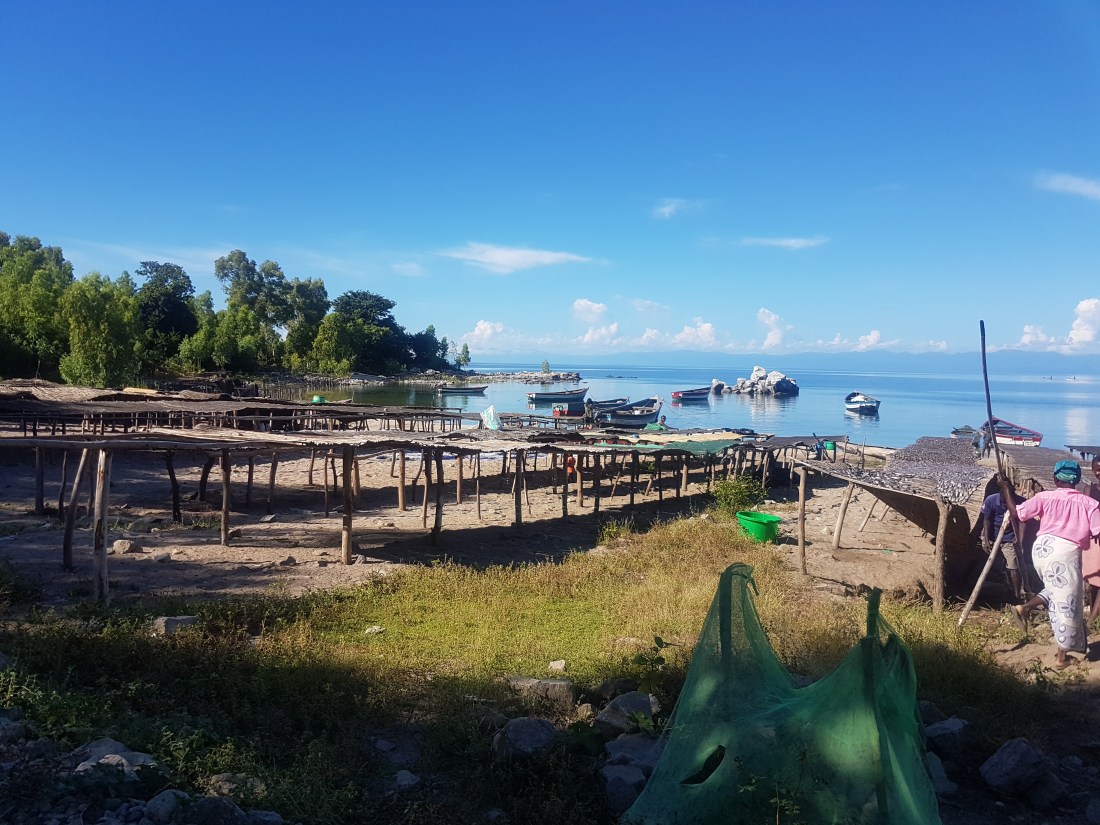
After Nkhata bay we boarded the Ilala ferry which left at midnight! We walked down to the ferry terminal we barely saw anyone. When we got there we walked on and were greeted with a lot of people on tables chairs and the floor. There was an unbelievable amount of cargo on the boat too. It was really cold after the boat had left the shelter of the land. Thankfully the water was calm so most of us managed to get some sleep. We slept at a table as there wasn’t anywhere else to lie down even though we had 1st class tickets. First class was on the top deck and anything less than first class looked to be unbelievably uncomfortable. We slept until around 4:30am when we arrived at Chizumulu island. There was no jettee there so we had to get to the land by climbing down a ladder onto a smaller boat that took us to the land it was a very small boat and was hand paddled and sat very low in the water with all 5 of us plus bags. We set up our tents with an amazing view of the fishing village and the lake. Then got breakfast. We had only planned a day staying there as there aren’t many things to do there. We explored the island one day and I walked up the hill on the island from there you could see Likoma island and the Mozambique coast as well as the rest of the island. The fish were amazing on Chizumulu island probably the best of everywhere we visited. The lake was very clear so it made it easy to see fish a long way from you. I also enjoyed trying to touch the bottom at some points. I really enjoyed having the chance to swim so much on holiday because because I’d barely swam all year!

The lodge we stayed at was very pretty and used to be amazing but it had changed owners recently and they made us all feel s little uncomfortable from the way they interacted with us. It felt like they were trying to extract a lot of money from us as they were the only touristy place on the island. Some of the food was a crazily small portion for the price but the dinner they prepared was amazing. It was an odd stay but I’m still glad we went there though. We found our own transport to the other island by asking a local people to take us on a fishing boat. The lodge was surprised we hadn’t gone with their boat but they were going to charge around 80 pounds when we got it for 30. It was a very small boat and it sat low in the water again but the water was very flat and we made it. It was about a 40 minute ride but was nice as we could take in both islands at the same time.Mango drift was an amazing place to stay.

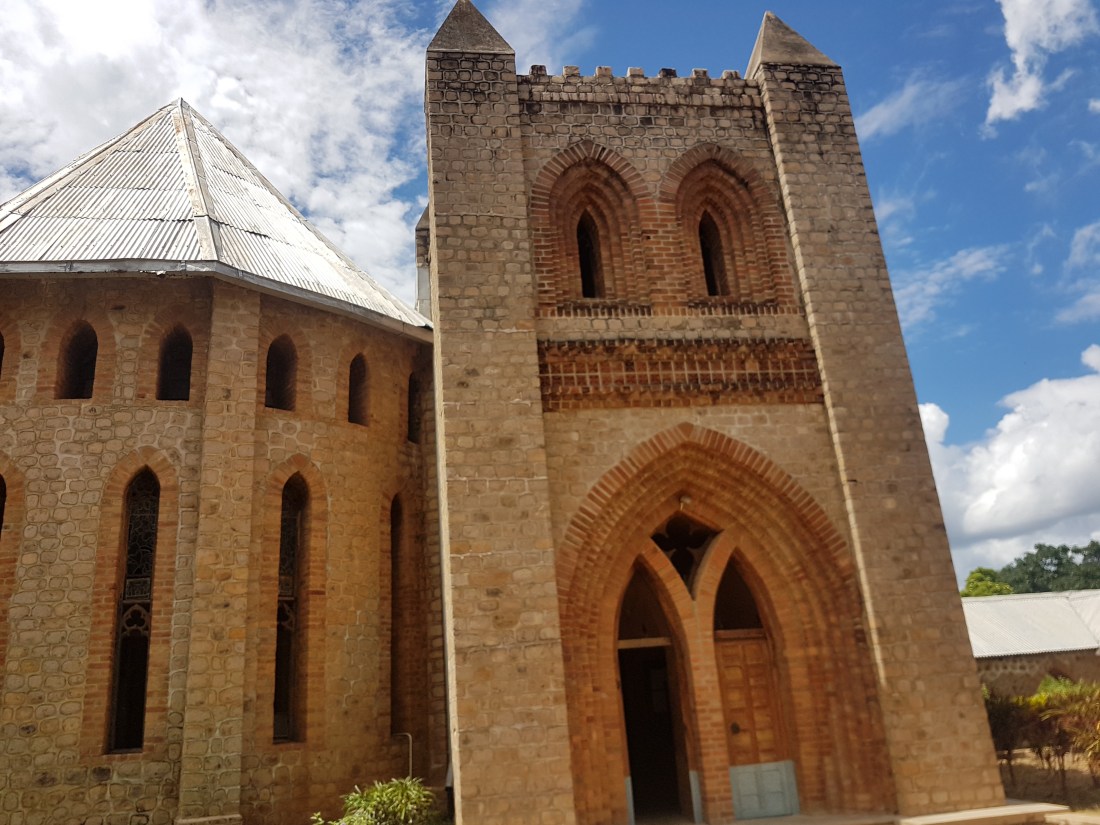
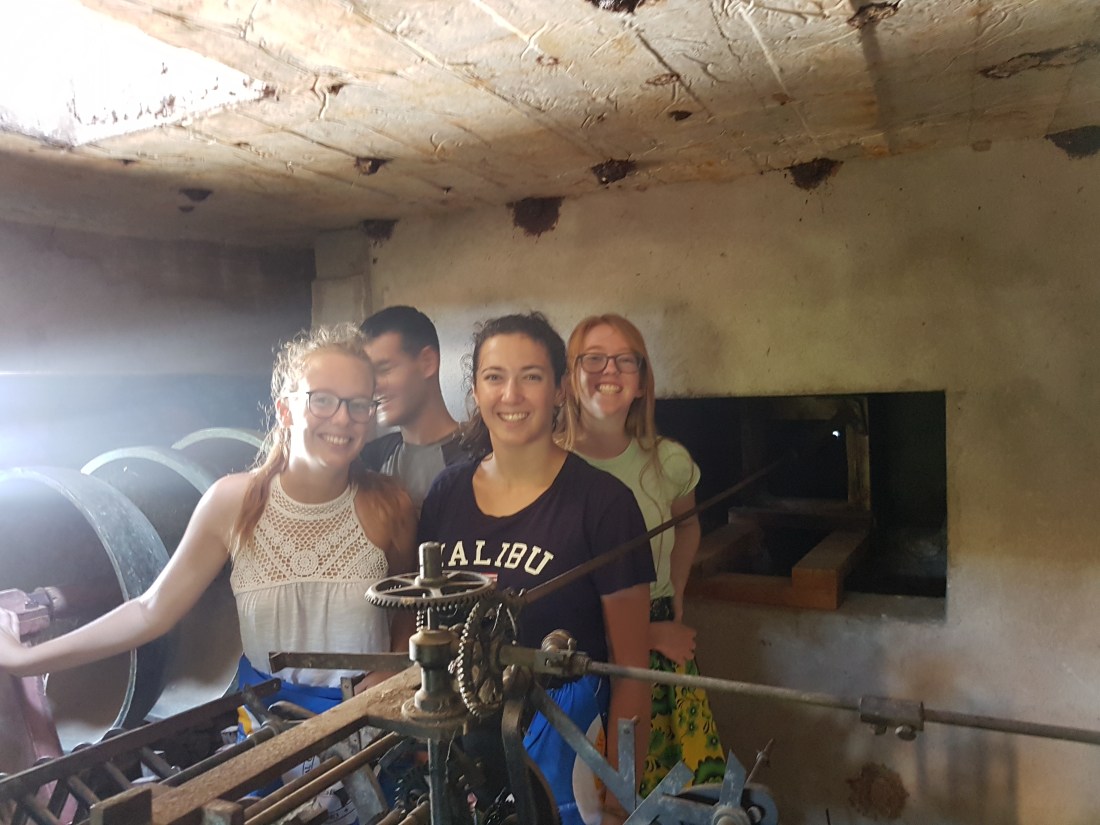
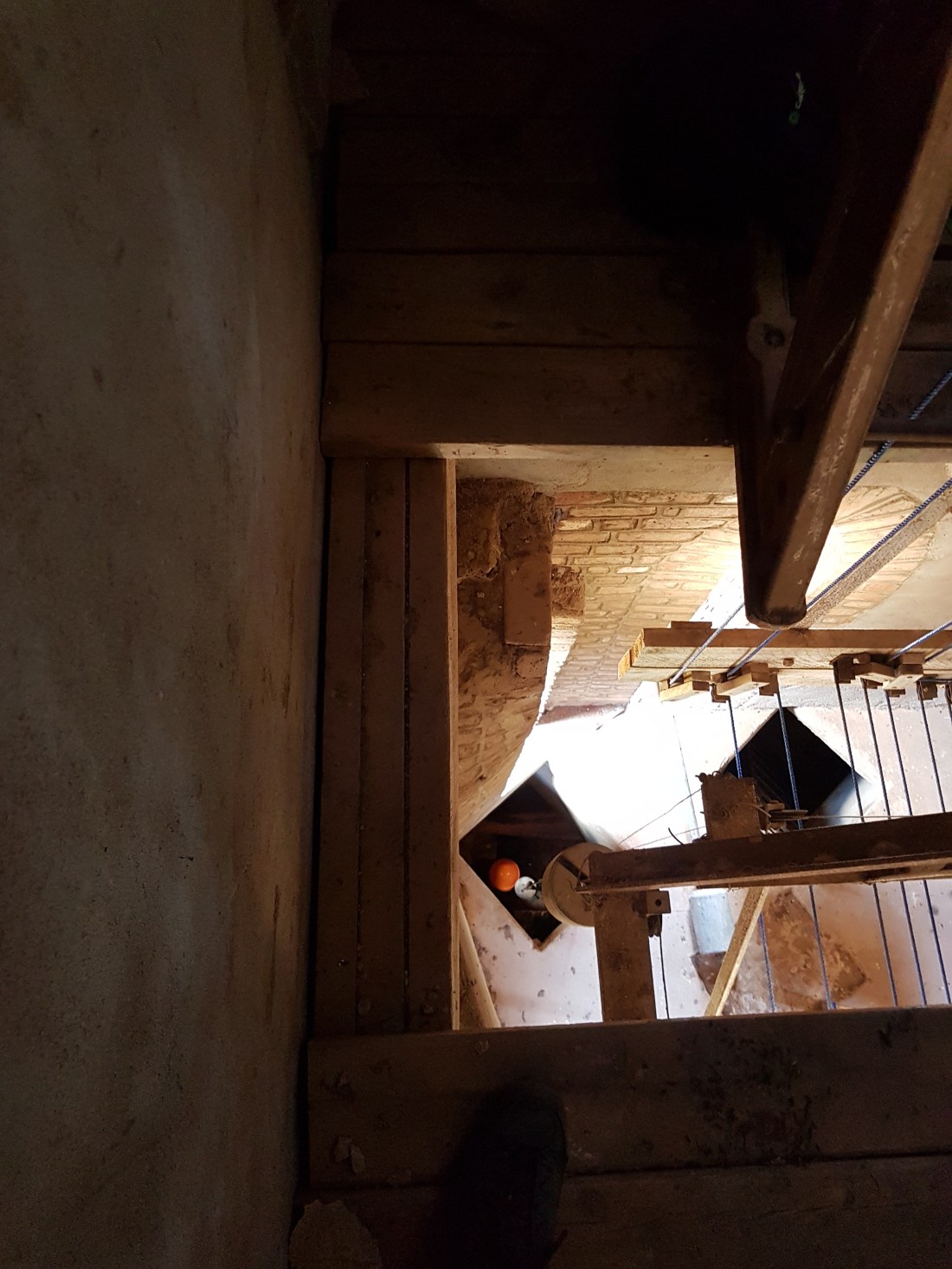
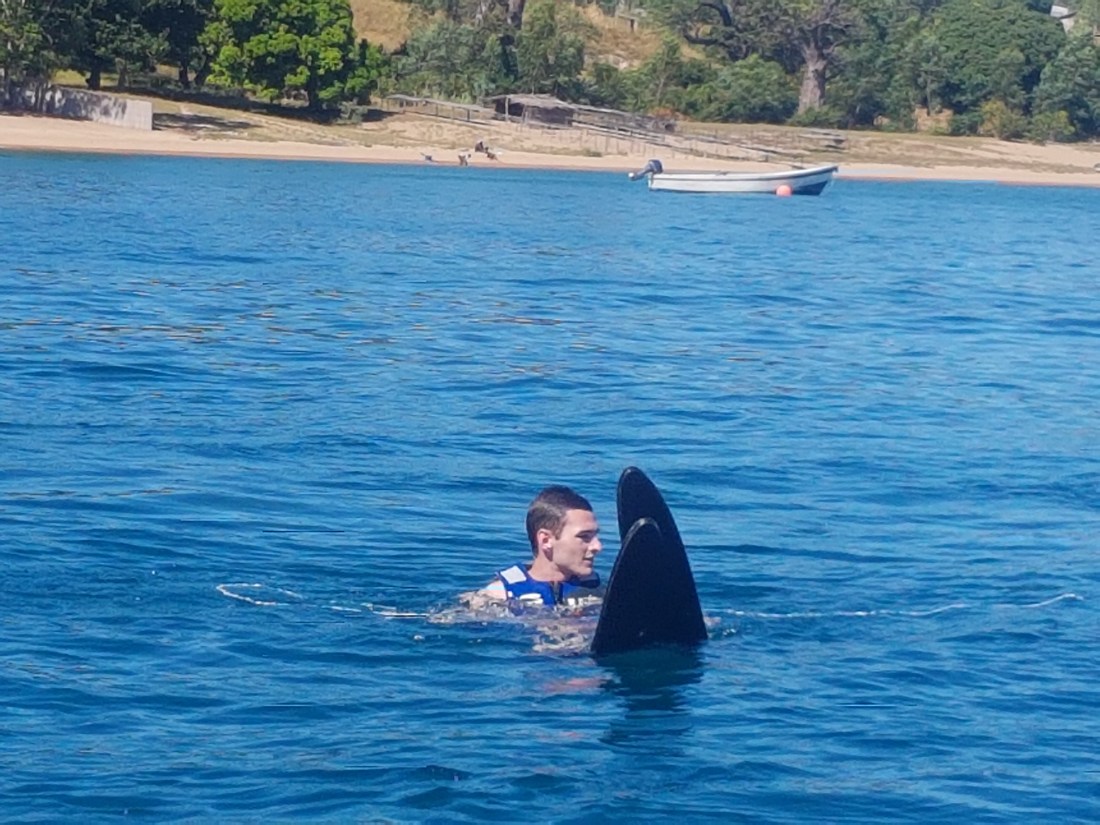
After arriving on the private beach for the hostel we set up our tents then relaxed until dinner time. Each time we ate we sat at table set up at the edge of the lake and ate with everyone else at the lodge. It was very nice especially as the moon was full so it was quite light. The food was really good at Mango drift their menu was limited like most places we visited as it’s hard to get ingredients but it was very good and all reasonable prices. Three of us did water skiing while we were there which was challenging but really good fun. We also visited the cathedral on the island which was built by Scottish missionaries. We got to climb the tower to get an amazing view of the island. It was possibly one of the most dangerous activities since there were gaps in the floor for clock mechanism which had a 15m drop below them!Here are some photos.

We left the island in the morning at about 8. On a smaller ferry this time as it arrived at 4pm and the other one arrived at midnight which we didn’t want to do. The smaller boat was much more unstable and had a lot of cargo meaning once it started swaying it didn’t stop. Unfortunately for us the wind was up and the waves were quite big. The small boat rocked a lot I don’t usually have a problem with boats nor did anyone else. After 30 minutes we were all feeling very sick. We stopped at Chizumulu island and picked up more people and more bags of dried fish which smelt very badly. I felt better after stopping for a bit but others struggled the whole journey.Another post is coming with the rest of the holiday.

Last term

Before I start I would like to apologise for not writing a blog post in such a long time. It was hard to write one at the end of term as I was very busy. Then I was on holiday which you will hear in future posts. My laptop got broken on holiday which made it easy to put off writing a post until now.

So I didn’t write many posts last term as I was busy teaching. There were a few frustrations in the term as there was sports day which removed a day or so of teaching. The school also hosted the inter-zone athletics competition which took 3 more days of teaching so at times it felt as though there wasn’t enough time to make any progress with classes. We had many assessments all 4 were conducted in week 3 6 9 and 12 to asses the students’ progress.

This meant a lot of marking and test making which got pretty tiring! Especially as one of the chemistry teachers was transferred to another school. This meant the class needed someone to mark their tests so the Head of Department and I shared the papers. In total in week 9 and week 12 I marked my four classes and 3 or his which meant 7 class’ assessments equating to around 300 papers each time. Although tiring and a bit dull, I think it did improve my speed at marking.

My classes’ performance wasn’t amazing which was a shame but it was sort of expected. The performance in science and maths in Zambia is quite poor generally.  It’s hard to say why this is there are a lot of factors that might contribute. Like poor facilities, large class sizes and many other things. I’ve been finding it challenging to get them to think about things for themselves as often if you ask a questions that isn’t simply a fact most won’t be able to answer. I have tried a few things but enthusiasm can be quite low as they have had a long time to decide they dislike the subject and don’t want to get involved in lessons.

Despite the heat getting better people still keep falling asleep in class I think from lack of sleep at night.

Some other highlights from this term were judging a debate competition in the school on corporal punishment. It was good fun but many of the students were very nervous and seemed to put on a strange accent which made it hard to actually understand what they were saying. It was interesting to see how they do a debate but it’s certainly different to how I thought they were done in the UK. As is customary we got our free drink and biscuit for our attendance. We also came for a quiz night at one point when the girls came to visit us.

I also went to Petauke just to visit the girls there. We chatted and watched a few films which was nice. The only problem was getting back to Mambwe was a very very long journey. I got into a taxi to go home and foolishly paid once I got in as he needed to fuel up. Then the clutch in the car failed. The driver got us to a place where people could help fix it but after 5 minutes of trying it started to chuck it down for about 30 minutes non stop. The fixing stopped until the rain subsided. When it finally stopped someone manage to make the car work. Then we went to go and collect passenegers. This took another 30-40 minutes. Then we set off. The clutch was causing problems all the way needing to be fixed at least 3 times with a crowbar. Not really sure how that helped but it did. We ended up doing a kangaroo start every time we started which alarmed most of the passengers. my company was ever changing as everyone seemed to just be taking short hopps along the route I was taking. I got home very late and was very tired!

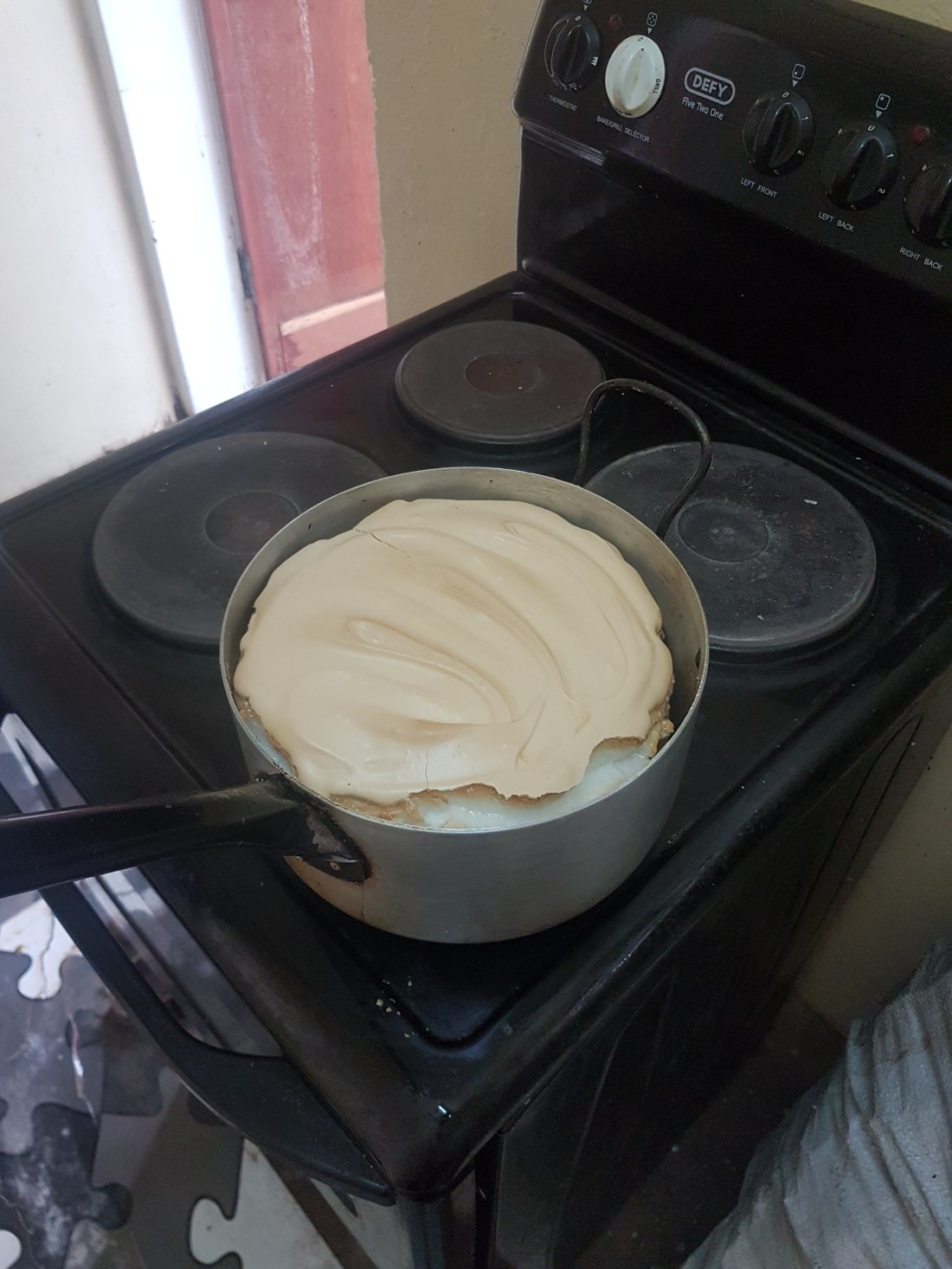
I don’t think I wrote about my birthday in my last post. the volunteers from Petauke and Katete came to Mambwe to visit us. We didn’t do much in the day apart from walk to the boma which was very very muddy! Especially as the girls had only brought flipflops to walk in so they ended up barefoot at times! They decided it was a long way to our boma as it takes about 50 minutes to walk there! We went to one of the teachers houses from my birthday and had a really nice meal with lots of people I had made a lemon meringue pie in a saucepan and a chocolate orange cheese cake which were very nice but extremely rich! We had a party at his house and went home the next day.

20190202_134050

Nchwala is a traditional ceremony done by the Ngoni people near Katete. We went to see the cermony and borrowed a teacher’s car to go there. When we got there it was chaos. There were people selling things everywhere and a lot of people. We didn’t mange to get to see the actual ceremony because you were meant to have a ticket and we didnt have one. They might have let us in anyway but we couldn’t manage to get to the entrance as there were tonnes of people all trying to get in without a ticket as well. I didn’t really fancy pushing my way through especially as lots of people had tradtional spears and shields to bash through. The event was policed by the local scouts who had quite a heavyhanded approach to croud management. It was interesting but not particularly surprising to find a scout group in Zambia. We met the girls and chatted a bit before heading back to chipata for  some shopping.

After the shopping we set off home. All was going well until we just got past Mambwe on the way to the person whose car we borrowed’s house. When the accelerator seemed to stop working. It turned out we had run out of fuel. The fueld guage doesn’t work very well and had been on empty the whole journey even when we had filled it up with 10 litres! The car was nearly empty when we got it so we had used all the fuel and were about 1km from his house but the car would not go. We rang him to ask for help but it would take a while to get some fuel to the car. So we decided to push the car to the house. It was very tiring as only one of us could push while the other steered. It took a while but eventually we got to his house. We were exhausted but still needed to get the food home and oursleves. fortunately another teacher gave us a lift. We have learnt now that you should always put more fuel in than you think you need just in case.

We also got our bike fixed last term by getting a new tyre and pedals. It only cost 12 pounds in total to get it fixed. It makes going to the boma and back so much faster cutting s 2 and a half hour trip down to under an hour!

The end of the term was also really busy as we llwere writing tests invigilating and marking tests then inputting them into the computer system at the school to be sent home. We were also planning the holiday in Malawi.
Read the next posts for more on the holiday.

Plastic bags

This is just going to be a short post. It’s about Zambia’s use and love of plastic bags. Or plastics as they refer to them.

I had never really used a plastic bag for much more than as a bag to carry food or objects. Here I have found a great number of uses! I’m sure I will discover some more before the end of my year here but here are some of the ones I have already seen. They are used to carry food or shopping items even if you only have one thing. They are used as a rain hat to keep hair dry, to cover up drain pipes to stop creatures getting in, to block a pipe in a tap to disable it and stop it leaking, to insulate open live wires, to light a brazier if you don’t have any lighter fluid, to kill cockroaches with flaming bags in the end of a stick, to act as a latch on a door, as a bin bag and to grease baking dishes. There have been more but not many of them come to mind now.

There is a huge use of plastic here especially the plastic bags. All sellers have plastic bags to put your item(s) in. whether it be a supermarket, a small stall or a street food seller. The result is that there is a lot of plastic bags in the environment. There is a distinct lack of public use bins so many just drop plastic bags and other plastic as soon as they have finished with it. This means the countryside is often littered with plastic bags.

The thing with being in a developing country where people are struggling to survive is that they don’t have much care for the environment as they have more things to worry about like finding money for food and surviving. It means that if something is cheap and has lots of packaging people will buy it instead of buying something with less packaging. With lower levels of education many of the people in Zambia don’t realise that plastic waste can be a big problem.

Having said that the supermarkets in Chipata have started to put in measures to curb plastic bag usage. Chopppies our favourite supermarket has started only selling reusable bags instead of free plastic ones being used. And the spar make you pay for plastic bags on a Wednesday so things are moving forward.

My beard

Not sure how interesting this is for people but at least the photos might be entertaining. Since the first of January I stopped shaving. I had wanted to try growing a beard but never really ended up doing it. So Andrew and I both decided to try growing one for January and it ended up going on until the end of February.

We were in Cape town the last time we shaved and it was hard to decide what we would look like with a beard as neither of us had ever had one before. The girls kept giving me updates on whether they thought a beard would suit me as it got longer towards the end of the holiday in Botswana. By the time we were starting term they had got to a decent length.

The views of teachers were mixed most didn’t like it. In fact our neighbour immediately told me she didn’t like it the first time she met me after the holiday. Others said they liked it but thought clean shaven was better.

By the end of January we were thinking of getting rid of the beard but I thought I wanted to see what it would be like if it got longer as I don’t think ill be growing one again any time soon.

As it got longer it started to need looking after a bit which was challenging really as I just have some craft scissors but I managed.

Anyway by the end of February I had decided to shave it off as I found it a bit scratchy and irritating generally.

I shaved it off in stages just to see what some of the other styles would look like so enjoy.

I liked having a beard and it did feel weird not to have one once I’d shaved it off but I think I prefer being clean shaven. I definitely look younger without one though as some of the students mentioned it to me.

Teaching so far this term

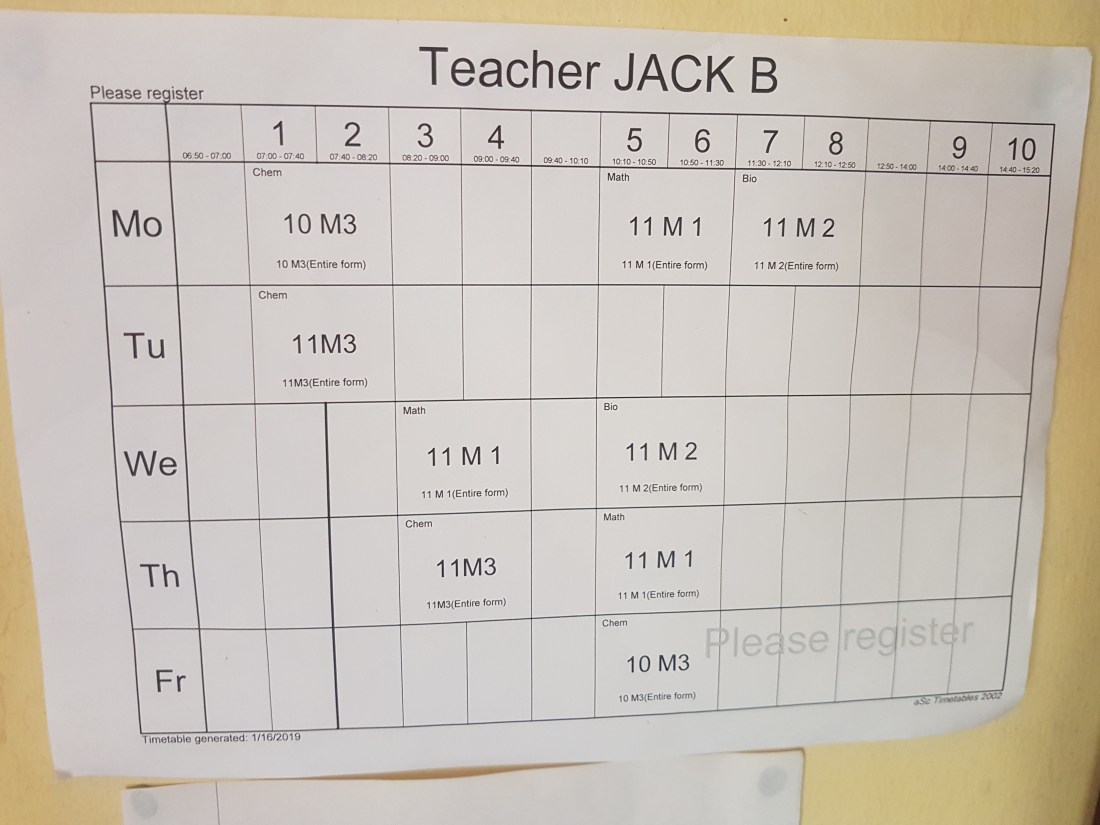
Teaching so far this term has been very busy compared to last term. I was meant to have 5 different classes but due to a mistake in timetabling (giving one class two teachers for the same subject) I only have 4 this term. Andrew ended up with 5 though. I have nine periods of one hour twenty minutes each week but Andrew has 12! I kept my three classes and have gained a new grade ten chemistry class.

20190312_152703

I was glad to have mainly the same students as it’s hard to get to know the students so changing lots of classes would have made that much harder. It did mean I was still teaching three different subjects but that was important this term as there were several teachers missing from the maths and science department. There is one teacher on maternity leave who taught in maths and chemistry. One who taught physics and chemistry who is on study leave and one maths teacher was transferred to another school at the start of this term. Recently a teacher of all the grade 12 chemistry classes has been transferred to a newly opening school which has left 5 classes with no teacher. It’s certainly challenging here.

The start of term was very slow only 1/6th of all the students had arrived by the first day. The problem with school here is that you have to pay for it so before a student can “report to school” as the Zambians put it you must pay. Many students come from families who are farmers and have very little money and January is when they are buying seeds to plant and fertilisers so they often struggle to get money together to pay for school. As a result many students don’t arrive until week 2 or three of term! Especially those in grade 10 and 8 as they are new to school and there is some confusion over place allocation so my current grade tens hadn’t all turned up until week 5 or 6!

Its been very frustrating this term that I teach a class first thing on a Monday morning as we have assembly then and it always overruns and takes the whole of my lesson so I’ve had to go and teach them in my own time each week in the afternoon. I don’t mind doing it but it takes quite a lot of time that I could have been planning or marking in.

To add to having an extra class this term we have more assessment tests last term we had week 3 and end of term assessments but this term we are have had week 3 and mid-term tests and week 9 ones are happening now and end of term ones are still to come. So a lot more time has been spent writing tests, marking tests, invigilating tests or going through the answers for tests. I think these assessment tests are good as the keep the students revising although they can get in the way of teaching as they are so frequent. And they make a lot of work for us as teachers.

I have made a lot of the tests we have a timetable for it that I suggested we made in the opening meeting for maths. So the division of work is quite fair however for the other subjects it is up to us to decide as teachers of each grade to decide who does it. I made all four tests for my four classes this time round which was quite a bit of work!

Performance has been variable in them. Out of the two tests my biology class have done the first they did very badly on and the next they did much better. For chemistry they did ok then the second one was atrocious so I’m hoping for a better performance this time around. My maths class also followed the same as the chemistry class. The grade 10 chemistry class did very well and they all managed to get above 40% which I was very pleased about.

We have made good progress through the schemes but some of my classes are still behind where they should be which is frustrating but you can’t really rush some things as you might as well not teach if you hurry through things.

The teaching has been slowing down recently as there have been lots of events going on such as public holidays sporting events and other disruptions to school. There are only two and a half days left of proper teaching left this term as the last two are assessments which is pretty crazy that ill have done two of three terms of my teaching!

I’ve already taught more lessons than I had last term due to having an extra class and there is still a few more weeks left. More to come.

Arriving back from holiday

Arriving back after the holiday was exciting and worrying at the same time. I had been wanting to get home back to my own bed but I had also got worried I might have forgotten how to teach. Arriving home from Lusaka was a little difficult.

We left at around 5am it was raining a lot so we got wet getting on to the bus. Despite arriving an hour and a quarter before the bus left we were told there was no space for our bags in the coach hold. Fortunately one of the people who work on the bus carried my bag down the aisle and put at the back, in the aisle. I went to my seat to find it was being saved for someone else. I stood by it until they eventually realised I wasn’t going to give up on my seat. It was damp by the window as it wouldn’t shut properly and it was raining a lot of the way home.

When we eventually got to Mambwe I was a bit disappointed. I think that over the holiday I had glorified the house as when we arrived I felt quite disappointed. It wasn’t in a bad state it was just that I had felt very at home before the holiday and over a month later I didn’t feel like that anymore. I don’t think being in nice hostels all the time helped but as it turns out I settled back in quite quickly after getting back.
We had the opening staff meeting the next day which was an experience. We were told it started at 9am but it actually started at around 10am and it lasted until about 15:30 so it was safe to say a very thorough meeting! There were some interesting things discussed such as the need for more boys dormitories, a new science lab, more classrooms, a new borehole, a new ablutions block, a lack of staff in certain departments, the schools farming exploits among many others. It was worth going to but it was a quite long meeting. I also had an opening departmental meeting for maths and science and I had to take notes for the maths one which took around 2 hours but was quite productive.

The first day of term was a little underwhelming there wasn’t an official timetable and there were only around 100 students on the morning of arriving. All the grades were grouped into grade classes as there were only a few from each class. This happens in Zambia because many of the pupils’ parents struggle to get the money together to pay for the term as it has just been Christmas and the farmers have just been buying fertiliser to ensure a good harvest later in the year. The number of pupils remained low for the first 2 weeks but by week three we were getting to almost the right amount.

The environment was very different when we arrived back. Before we left we had had some rains and some of the plants had started to grow. When we arrived home everywhere was green! All the bare ground had grass growing on it and all the crops like the maize had started to grow very tall. All the fields on the walk to the boma were ploughed and had varying crops growing. They mostly grow maize as with every other place in Zambia but they grow a lot of groundnuts (peanuts) and cotton in the eastern province.

Our garden which was completely baron and bare before we left was now sprouting grass in places. We have no mangos left on the trees which is a shame as we won’t have any for the rest of the year. They will start to grow before we leave but won’t be ready to eat. On the up side we have a lemon tree in our garden that has just started to grow some lemons. I just hope the kids don’t steal them before we can pick them ourselves! I’m planning to make some lemon curd and still lemonade at some point. Unfortunately the person who had been clearing our garden had stopped and become unreliable. We found a new person to do it through the head teacher’s son. He is extremely reliable and uses the money to go to school. He has to use a hoe to cut up the grass on the ground then he sweeps all the grass up and cuts back the hedges. I have no idea how they manage to all that work in the heat.

Talking about heat sadly the rains haven’t really brought much of a reduction in temperature. Overnight it still only gets to around 20 overnight and in the day its often just above 30 which is cooler but the humidity makes it feel just as hot as before. The clouds do help keep it cool but not if they aren’t thick. It does cool down when it rains but only briefly. Didn’t rain that often when we got back but recently it has been raining at least once a day.

We realised since we got back that the roof leaks in over 7 different places in the house. It leaks in the lounge kitchen and store room but not in our bed rooms or on anything electrical fortunately. The rooves of the houses are very old and are all in need of replacement they are made of grooved tiles they aren’t made of metal though. They were first installed in 1991 which is approaching 30 years. They probably should be replaced at least every 10 years but the school never has enough money.

Ill be talking about what I have got up to since we got back a bit more I just thought I would give you an update after returning even if its very late. I’ve been fairly busy which is why it has taken me a long time to actually post this post.


Cape town, Gaborone and Home

When we arrived in cape town, we got a taxi to the hostel which was on long street, the main party street. When we got there were people from project trust were already there. We had all chosen the same hostel so there were volunteers from all over southern Africa. Two from Botswana two from Namibia the rest were from south Africa apart from the six of us from Zambia. They had already been there a night and were going out on long street but all but one of us were still tired from the bus journey so decided to stay in. The dorms were nice they had triple decker bunks which was quite cool. The kitchen was really quite small for the size of the hostel the fridge was always full to bursting and there was only one oven/hob with 4 rings. It did have a balcony which looked over the street which was nice. The street was very loud in the evening every evening, not just the weekend. For some reason our room had no curtains which made it very bright in the mornings. The loud music from the clubs outside made it hard to get to sleep although most nights I was so tired that I went to sleep straight away without even noticing it.
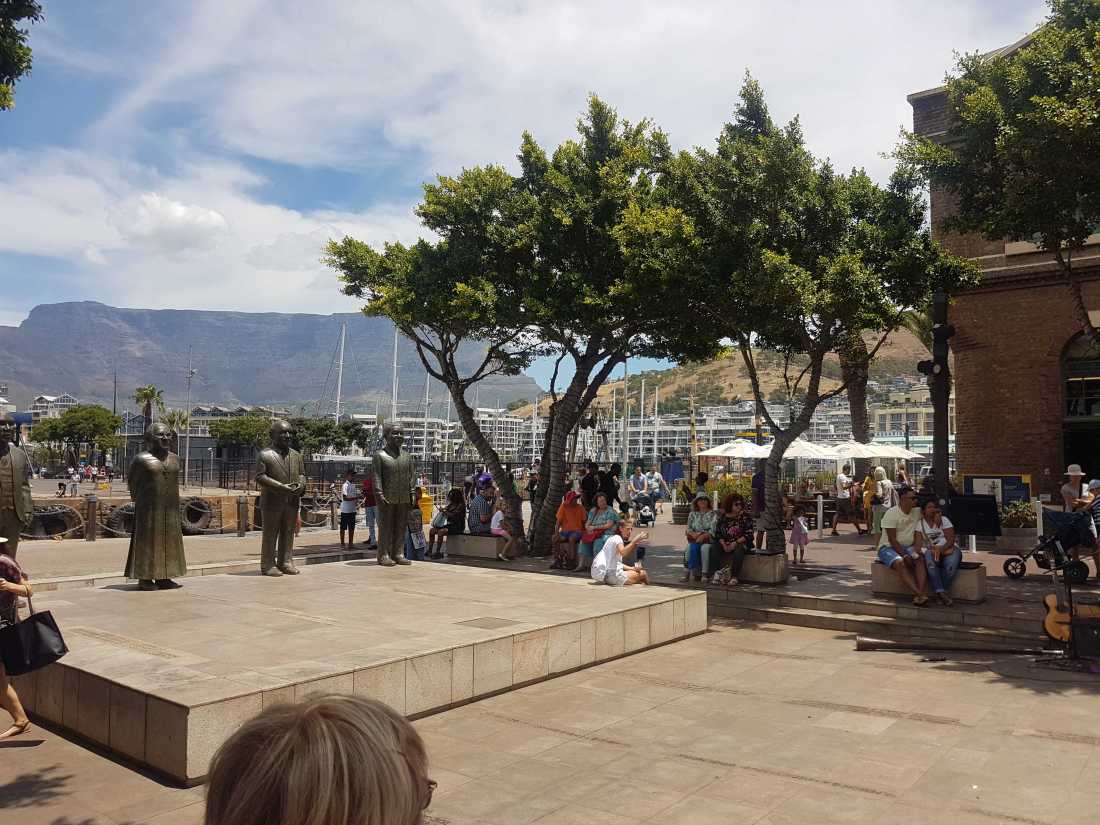
The first day we had was the day before Christmas eve and we all went to the V and A waterfront which is an area of the docks with a large shopping centre. We all needed to get our presents for secret Santa so we all went off in our pairs to get what we needed. It was almost like being in the Trafford centre. South Africa was very much more western than Zambia it made me feel a little confused to begin with as I hadn’t had such a variety of shops and activities since I left the UK. We went to the cinema there the next day to watch Bohemian Rhapsody which was really good. We also got our food for most of the week as well. On Christmas eve we had to go back to the mall to get food for Christmas day and watched the We all went out on Christmas eve and got back quite early in the morning.
Christmas day was kind of strange the South Africans had cooked a proper Christmas dinner for around 20 of them with most of the trimmings. We had quite a few of the things we would normally have but not so many as there were only 7 of us. Phoebe’s friend from the UK Chris was with us then making it 7. We ate after them as there wasn’t enough space in the oven. It was sad not being with family but being with lots of other volunteers made it easier. I spoke to my Mum, Dad and grandparents which was really nice to hear from them.

20181224_133849
Some activities we did in cape town included visiting the Castle of Good hope, boe kaap, Boulders beach, Muizenberg beach, camps bay, climbing table mountain, climbing lion’s head to watch the sunset, Ethiopian meal, bus tour of the peninsula, visit to an aquarium, Kirstenbosch botanical gardens, a Jeremy Loops concert and a tour of Robben Island. It was a busy holiday as we were only there for 12 days!


I’d never used Uber before Cape town but it was very handy to be able to call for a taxi anywhere and it come in minutes. Many of the fayres were less than a pound or two which, when split between four or 6 was very cheap. A dangerous extension of Uber is Uber eats where you can order a takaway from normal restaurants and the will deliver it to your door. We did only use it a few times but decided it was a very good job that it didn’t exist in Zambia or we could have spent a lot of money. The food in cape town was amazing it was mainly due to the availability of a variety of foods. We ate a lot of cheese as the cheese in Zambia is not only expensive but also very poor quality.
It was sad to see everyone leave as we had all made some new friends as we hadn’t met the south africans before then. Unfortunately due to Zambia being so far from south africans we probably wont be able to meet up with them again. Most of the south africans left a day before us but we weren’t the last to leave urban hive backpackers. We got on the bus at about ten in the morning. To add to the stress of leaving I realised I had bought some flipflops that were a bit too big so I wanted to go to the mall to swap them as there are no shops like that in Zambia. Uber was a very useful thing in to make it possible to go there and then to the bus station. We got on the bus which would take us to Johannesburg and there we would change to go to Gaborone.

20181221_170630
The only annoying part was that we would arrive in Johannesburg at 3 am in the morning and have to wait until 12pm until our next bus departed! We arrived all very tired as we had just been asleep. We ended up having to wait on the floor of the bus station as we decided it was easiest and safest to stay there rather than leave the station to go to a hostel. I didn’t mind at the time I just got my sleeping bag out of my case and used it as a blanket and went to sleep for a while while someone else stayed awake to watch the bags. It was a long wait but it wasn’t too bad in the end. The bus to Gaborone was fine a relatively short one of just 7 hours. We passed through pretoria which was an interesting place to see from the window of the bus. When crossing the border into Botswana they check your bags for fresh fruit and vegetables so when we got there we had to take all the bags out of the bus and have them inspected. Fortunately, unlike the last time we went into Botswana on the first long bus to Namibia, they didn’t want us to take every pair of shoes out of our bags to dip them in disinfectant for foot and mouth disease. On the first journey through Botswana we were caught out as we had a big bag of apples to share for the journey so we had to eat them all really quickly and we shared some with other passengers.

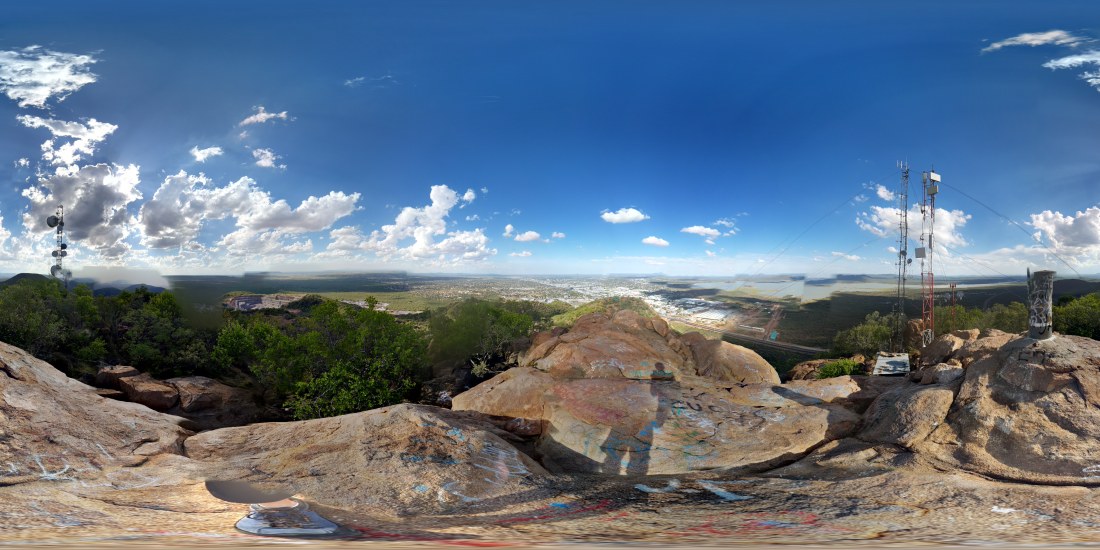
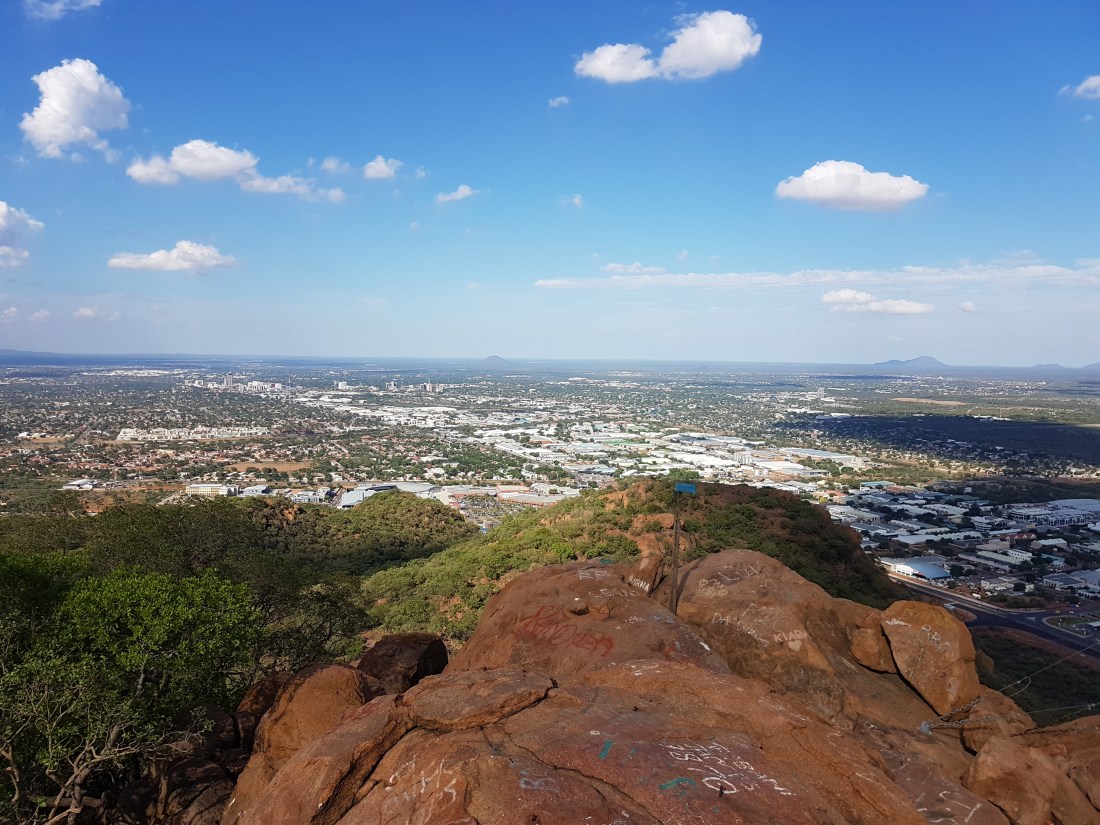
When we arrived in Gaborone it was late around 8pm we got a taxi to, what I think, is one of the only backpacker hostels in Gaborone called mokolodi backpackers. It was one of the more expensive hostels despite us being campers and it wasn’t even near the city centre. We set up our tents and made some tea and went to bed. The next day we went out to the main road to get a bus to town to buy some food. We ended up being picked up by some white locals who took us on a bit of a tour of Gaborone for free and took us back to the hostel at the end. They stayed and had a few beers which was nice. The day after we went on a small safari in the local nature reserve having been lured in by the chance to see a Rhino. It was a nice safari but the most exciting things we saw were a Wildebeest, tortoise and a dung beetle. I had seen zebras, elephants and a giraffe on the bus into Botswana though. The day after we went back to the shops to buy food for our last long bus journey. after that I wanted to climb kagale hill which has really nice views over Gaborone. I went on my own as no one else was up for it. I climbed it quite fast as I was worried about it getting dark or the buses not running that late. On tripadvisor it said it could take around an hour up and an hour down but I managed it in 25 minutes. The views from the top were amazing! As I was coming down there were many people coming up before I had seen nobody. They were probably climbing at that time as it was starting to cool down. I probably didn’t need to rush in the end but I still enjoyed it.

20190107_16360820190107_163449

Our bus journey back to Lusaka was quite eventful. It left at around 7pm in Gaborone the capital of Botswana and was meant to take 24 hours and cross one border. Fortunately this time it did only cross one border. Just as we were all getting to sleep at about 1am there was a huge thud from the bus and the driver stopped very quickly. We all wondered what it was apart from Mhairi who managed to sleep through it. I thought that maybe one of the tyres had blown. As we got off the bus with many others as it was too hot we realised what had happened. We had hit a cow that had been on the road. It was dead around 50m behind where the bus stopped. I didn’t make too much of a dint in the bus and it seems only to have caused cosmetic damage removing some of the bumper plastic. We had to stop at a police station afterwards to report it so it delayed us by about an hour.
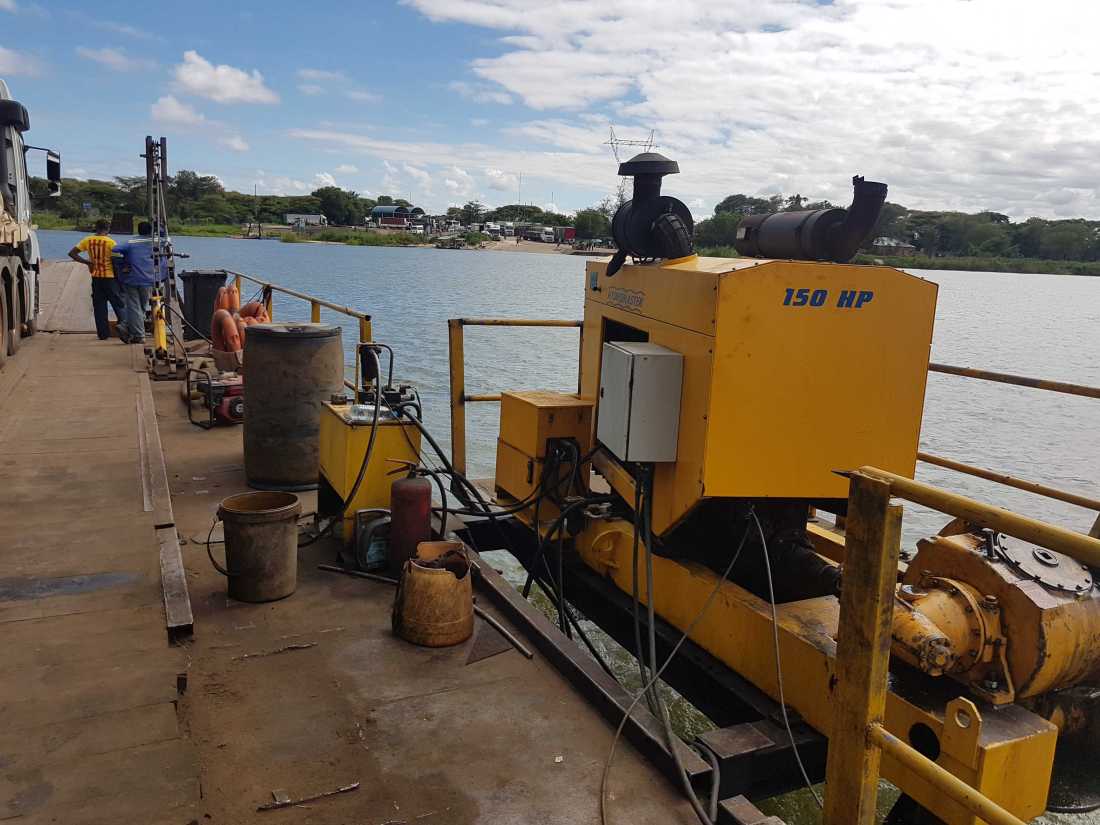
We crossed the Zambian border at Kazungula which involved crossing the Zambezi on a ferry(although they are building a new bridge). By this time we knew the drill of crossing borders, it being our sixth border crossing that holiday. The bus was held up for an hour for some unknown reason so we had some time to kill at the border. It immediately felt like Zambia when we got back as there were people forcefully trying to sell you carved elephants again. The street stalls and mannerisms of the people were once again familiar.

20190109_092656
We all enjoyed our holiday but agreed that it was nice to be back in Zambia. When we got to Lusaka we went to our bargain accommodation £5 a night for a dorm in Flintstones backpackers made some tea and went to bed. For Andrew and I we got up at 3am to board the bus at 4am back to Mambwe.

Christmas holiday (part 1)

I have just arrived back from my Christmas holiday and thought it would be a good time to write a post. I had wanted to publish one while I was on holiday but I rarely had time to sit down and write one. So I will give the highlights of our holiday.

We left Mambwe on the 6th of December on the jonda bus to Lusaka. I was glad to be leaving for a holiday as many of my pupils had not done very well in their end of year tests which was quite demotivating. They had performed similarly for other teachers but I didn’t really take that as a conciliation.

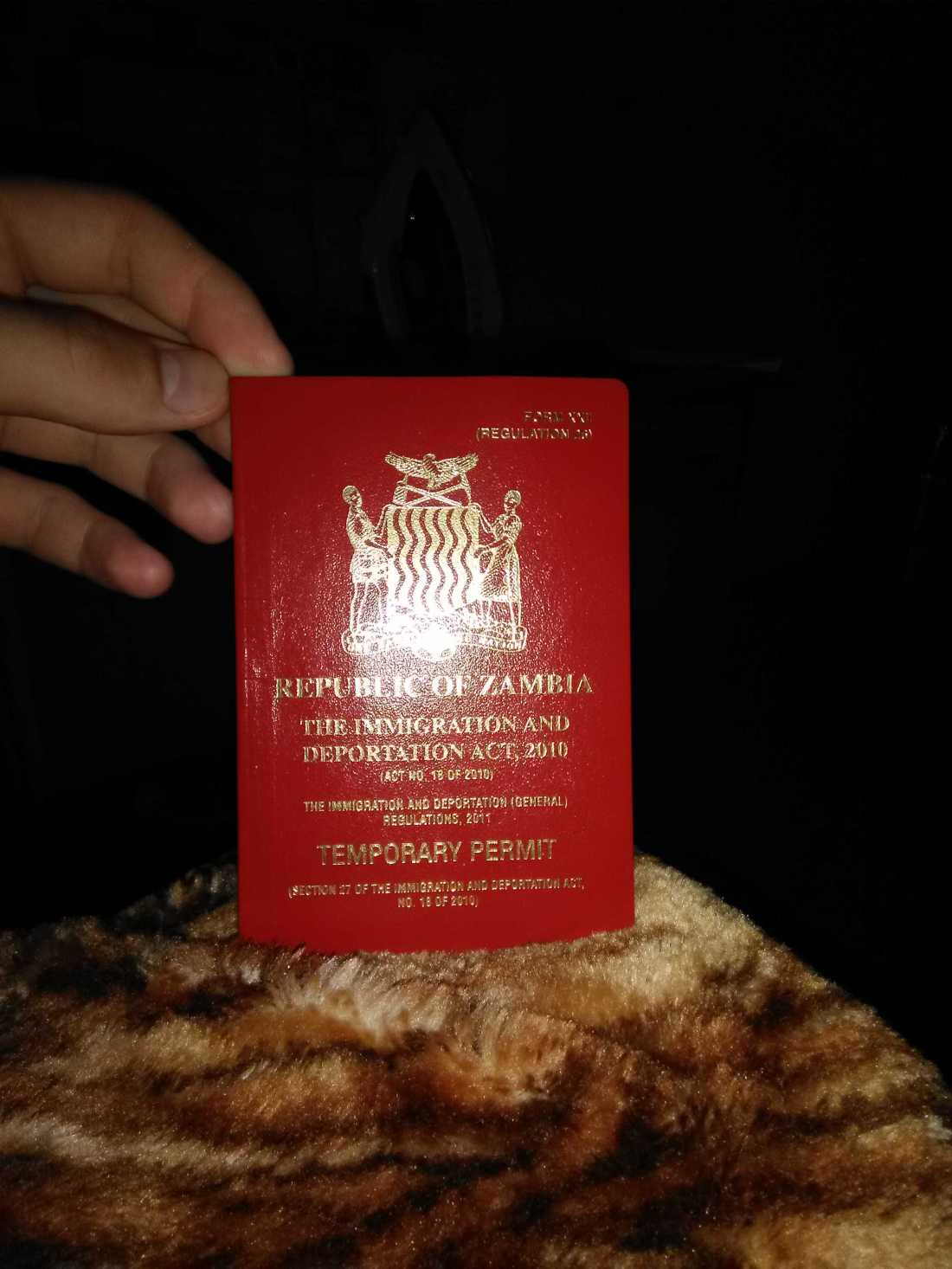
We arrived in Lusaka at the same time as both the other pairs, despite being on different buses. We had an important job to do while we were in Lusaka which was to pick up our visa/temporary permit. Fortunately, this time they were ready and we could now collect them. It’s a little bit like a small passport which we were all quite excited about. We also wanted to do some shopping while we were there for some things we needed for the holiday like tents and roll mats. Many of the hostels offered camping as an alternative to private rooms or dorms. In one hostel, in Livingstone, we saved over $35 in just 5 days by staying in a tent which was definitely worth it.img_20190114_202029

Livingstone was our first destination. After a 7 hour bus journey, we arrived and got to our hostel. It was really nice, quieter than expected but still nice. There was a pool and a really nice area to lie down. It was under a thatched cover and had a large area with cushions where we could all sit. One evening we sat there in with hoodies and trousers watching a film. Livingstone was actually quite cold compared to our project and there were a lot of mosquitos. We all got bitten a lot so were all glad we were taking antimalarials.

20181208_075333

Livingstone was one of the most exciting places as it was where we did the most adrenaline-fuelled activities. We first did the swimming in devils pool at the top of Victoria falls. We arrived at the royal Livingstone hotel which made us all a bit jealous of the guests as we were staying in a tent back at the hostel. We took a boat to the edge of the falls. On arrival we were offered a banana flavoured maize meal drink. We then walked over to a part of the falls which was dry but in the wet season is part of the falls. We looked over the edge and I realised quite how high the falls were and began to worry about how I would manage the bungee jump the next day. We then got in the water and swam to the devil’s pool. While we were in the pool there were fish which kept nibbling our feet and legs which was unexpected and a bit irritating. It was a amazing to look over the falls from the water. It did feel like too much of a photo shoot than an experience though as for 7 of us visiting the guide took 400 photos which meant you were being photographed for most of the time but I did still mange to take in the view. Here are some of the many photos that were taken.

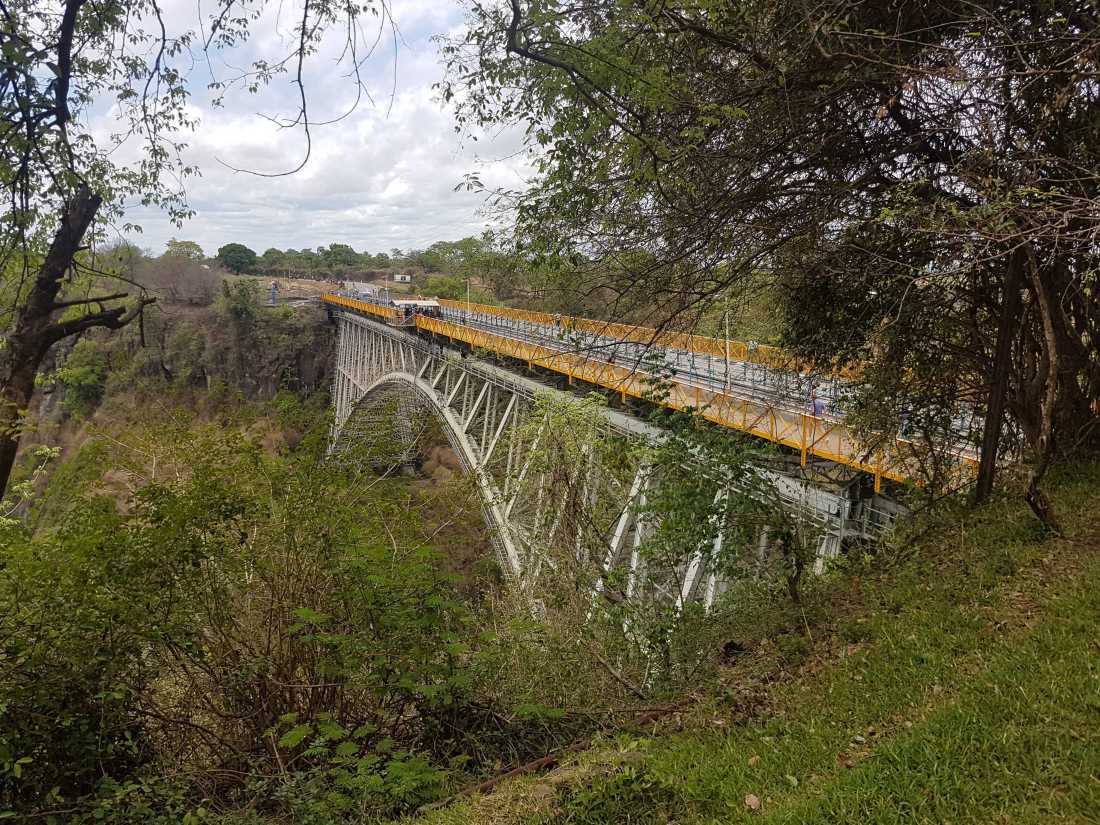
The next day was the bungee jump. Surprisingly I didn’t feel that worried about it until I actually got onto the bridge. It was really high 111m above the Zambezi to be precise. It was a really nice view over the river and down the valley. The bridge is actually in a kind of no-mans-land between Zambia and Zimbabwe. We had to pass the exit post for Zambia to get there. When Andrew and I had signed up and been weighed, we walked out onto the bridge and were greeted by many people selling various animals carved out of wood. When I got the bungee station I began to realise what I had got myself in for. There were only two people before me so fortunately there wasn’t too much of a wait. When it was my turn I climbed onto the platform and sat on a bench. They wrapped thick towels around my calves then a webbing cord and secured it before I knew it I was standing on the edge of the platform with my arms out ready for the count down of 3, 2, 1, bungee! When I was falling it was such a strange and surreal feeling. As I bounced at the bottom I could feel all the blood rushing to my head. I was slightly worried that the bungee cord would snap. It didn’t and I live to tell the tale.

20181210_123341

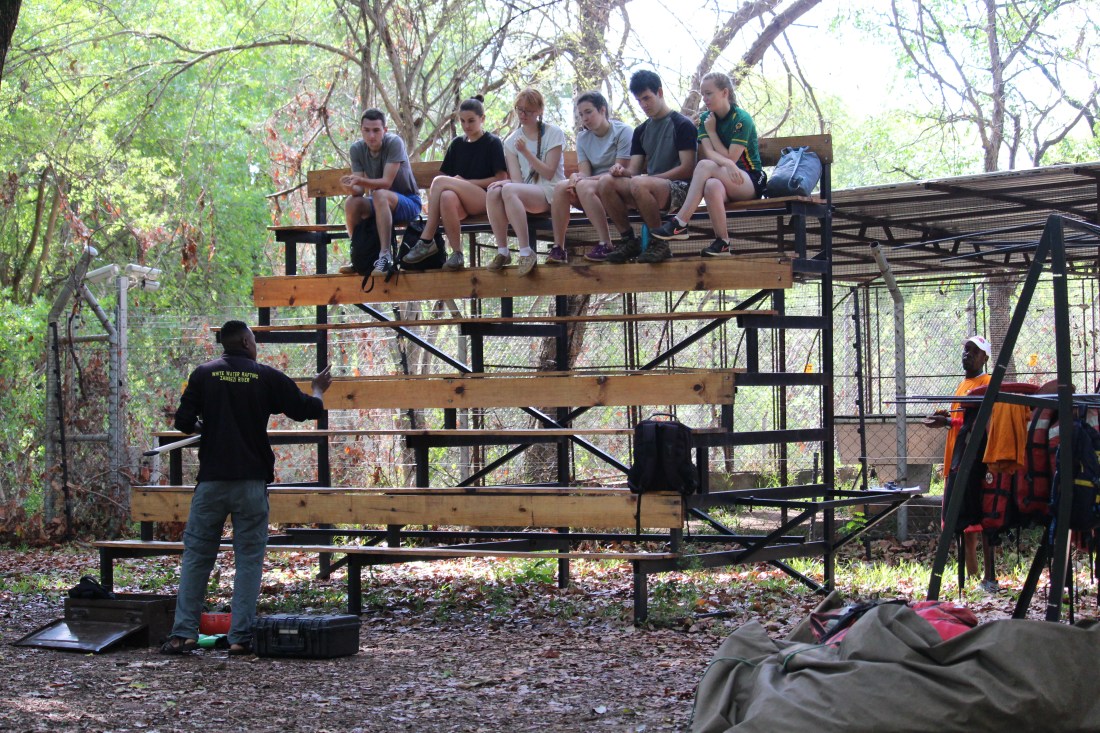
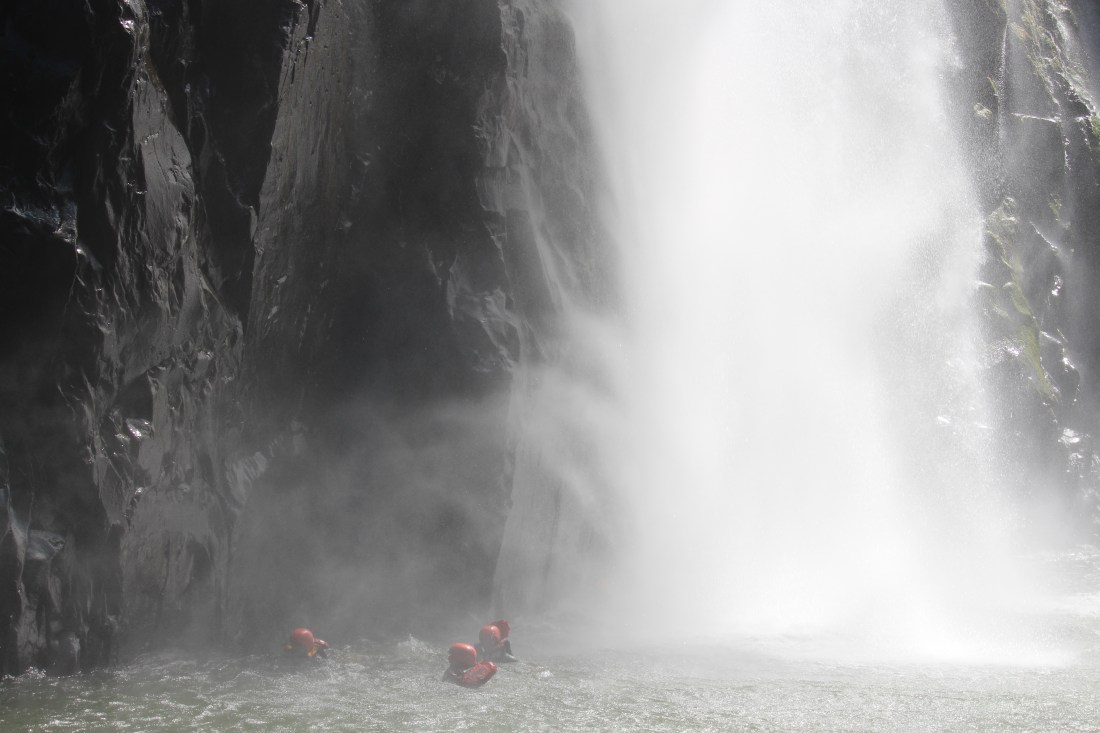
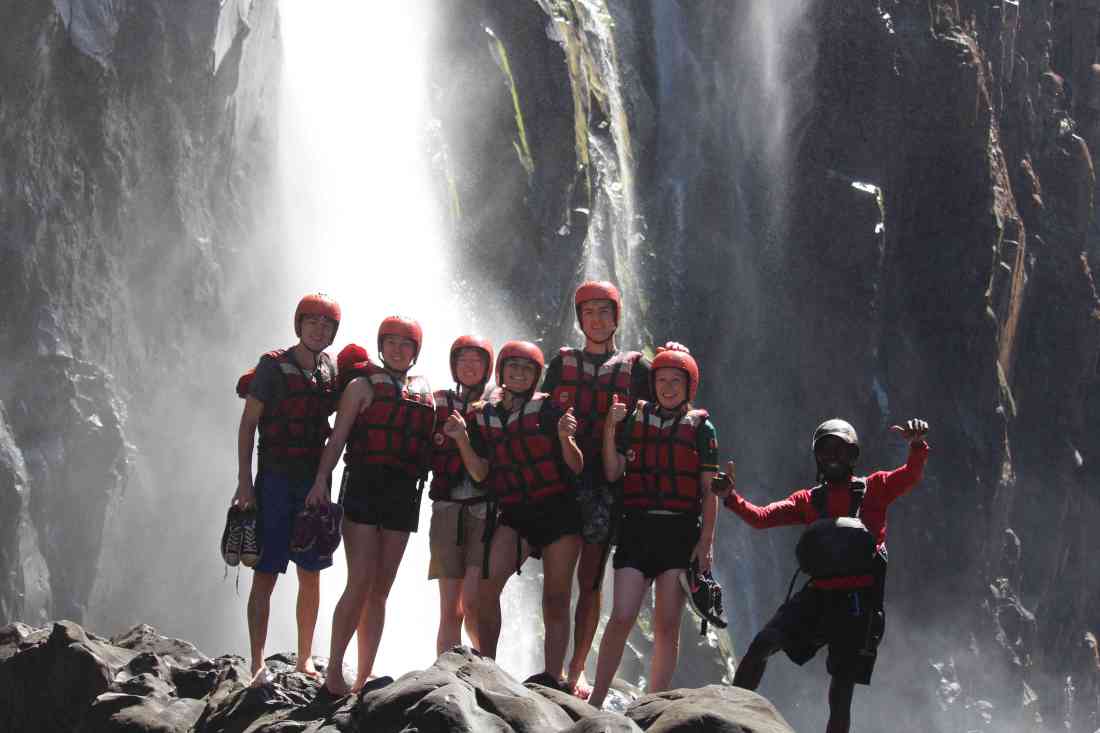
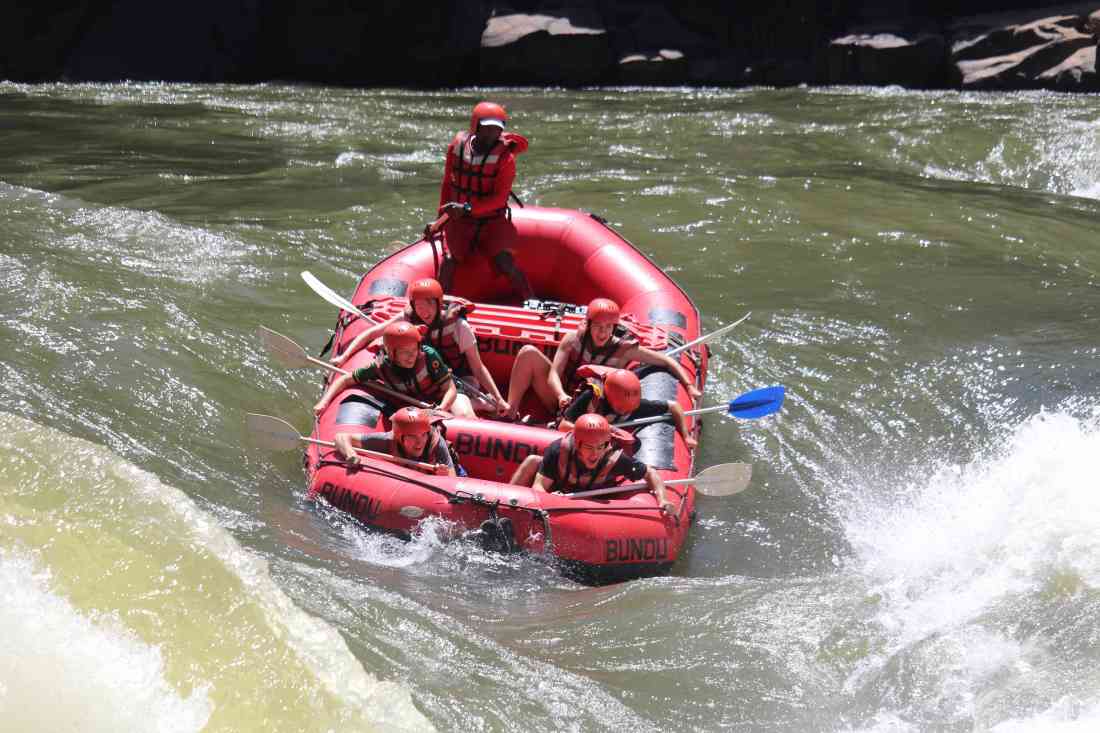
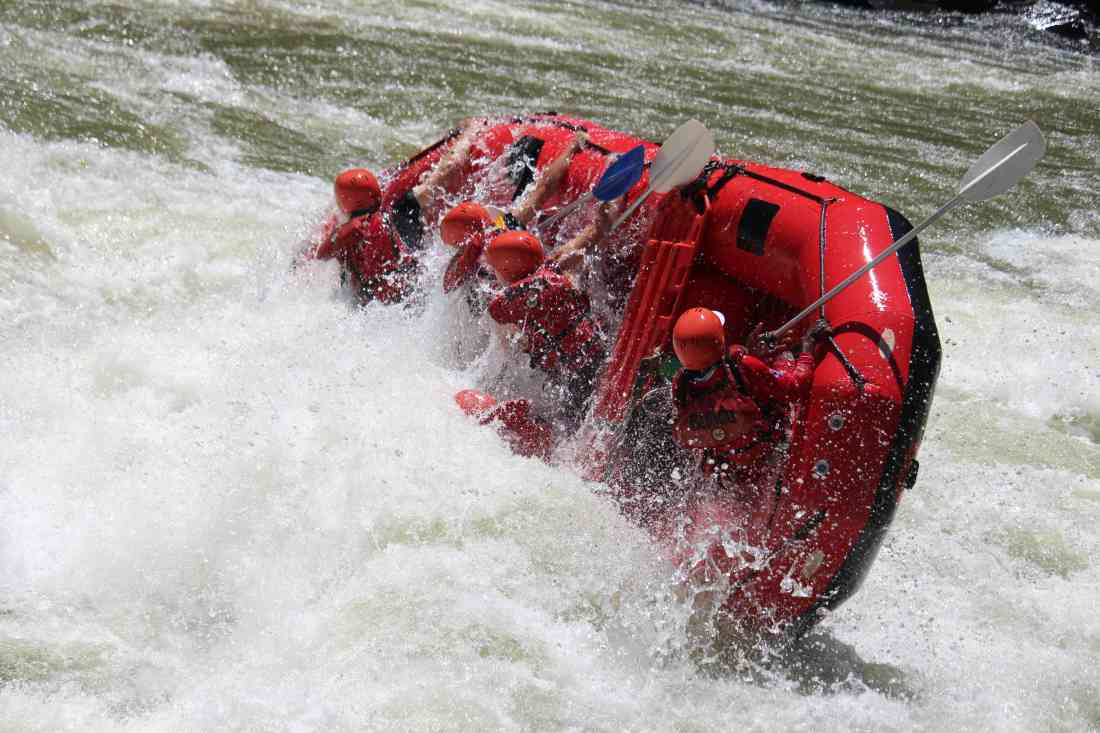
The next day was our cheapest(still expensive) but most enjoyable day. We had booked to do white water rafting and swimming under the falls. we arrived at the river and had a rather comedic but informative safety briefing. Then began the long walk down to the river. We then got in the raft and paddled upwards to the a part of the falls where you can swim. We got out and climbed into the pool. We all swam into the falls but it was hard to stay there as it was hard to breath as there was so much spray. It was crazy how we had been at the top of the falls only 2 days earlier. Then we began with the rafting. We started with some small rapids and the others got bigger and more challenging as we went down. On one rapid they let us get out of the raft and go down in the water which was very exciting. One of the rapids defeated us as the boat flipped and tipped us all out. It felt like I was under water for over 30 seconds but on the video we bought I was only under for a matter of a few seconds. The walk up back out of the valley was tiring but well worth it for the amazing rapid experience. The guides and support kayakers who were there were really great. We got on so well that we ended up going out with them one evening.img_0441img_0496img_0512img_0542img_0570

There really wasn’t that much else in Livingstone most of the activities are based on the falls. One other event was the time the hostel let us sleep in a dorm as they felt bad we were in tents due to heavy rain. It was about 10pm and it began to rain a lot. It was extremely heavy and lasted several hours there was water around 5cm deep very close to the tents so the hostel staff kindly said we could stay in the dorm for a night. It turns out despite our tents being pretty poor quality and very cheap they do stand up to rainy season storms in Zambia as none of our belongings got wet.

Our next stop was Windhoek in Namibia and it started with the first of 4 24-hour bus journeys over the holiday. We took the intercape bus from Livingstone direct to Windhoek. It was an eventful journey. We set off at around 10:30. There were very few people on the bus at that time around 9 including us 6. I settled down expecting a long wait until the next stop. As I was looking out the window I saw we were on the road to the falls which was quite confusing as that road lead to the Zimbabwe border. I had assumed that the bus would take the route to Namibia which starts in Livingstone runs along the south of Zambia and into Namibia as it turns out it didn’t do that it actually went through Zimbabwe, Botswana and then finally Namibia. This was stressful as we have to pay $55 for a visa for Zimbabwe and now our only route to Namibia required us to do this, fortunately we had enough dollars in cash between us. The rest of the journey involved a lot of border posts as at each border you get off to exit the country get on the bus for a short journey to the border post of the country you are entering and then the same for the other three border crossings. The journey now means I can say I have been in four different countries in one day and my passport now has significantly more stamps that it ever has had in it.

20181221_170630

We got to Windhoek and got a taxi to our hostel. it was very nice a quiet homely places which has a nice pool a the back. It was aptly named Paradise garden. Once in Windhoek, we had to work out how to get to Swakopmund. We got a mini bus there and stayed at a very nice hostel which had grass which made sleeping in a tent much more comfortable and unlimited tea and coffee which is always a bonus. Being by the sea it was actually quite cool most of the time compared to Mambwe and Windhoek.

While in Swakopmund (and Namibia in general) we got very excited about the range of food in the supermarkets compared to Zambia. Although they don’t sell our favourite meat replacement of soya pieces which costs around 4p per serving in Zambia. We went quad biking in the dunes and had a trip to Walvis bay while we were there where I bought a wooden sculpture thing. We also went to the beach and went in the sea but it was bitterly cold. Almost as cold as the sea on the isle of coll! We also visited the crystal museum which had the largest quarts crystal on display in the world.

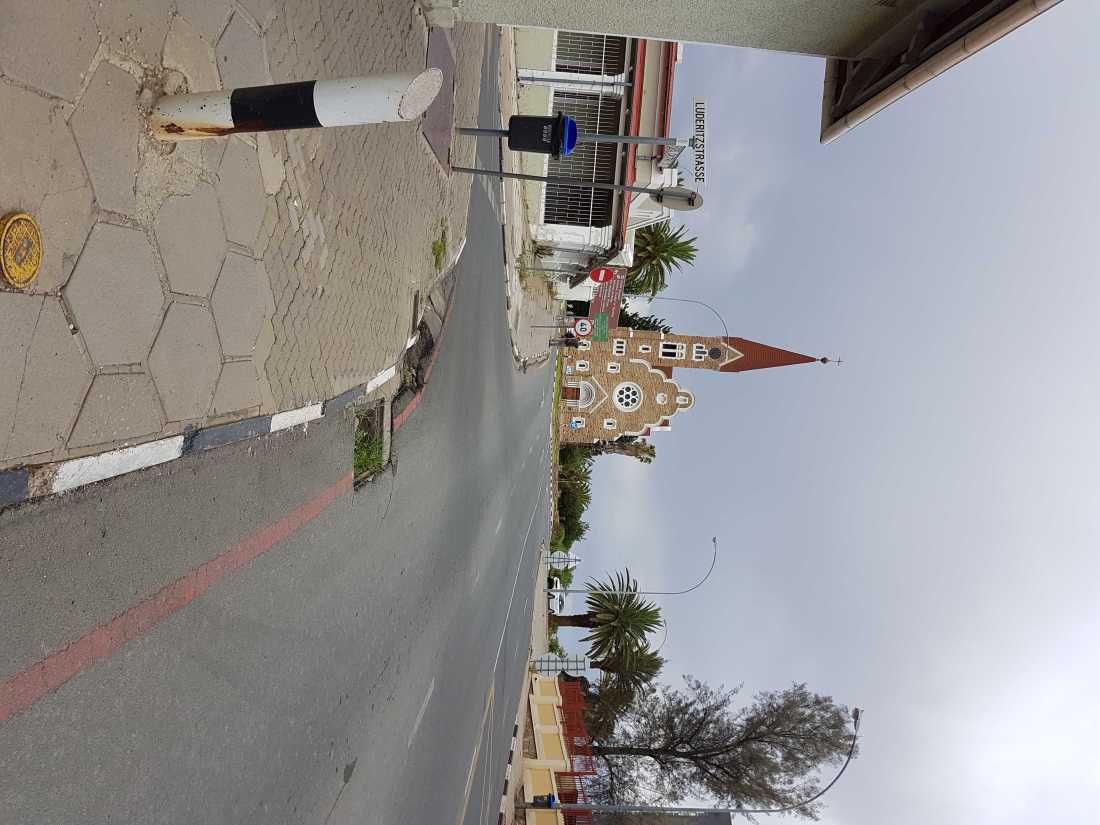
We had one day back in Windhoek before our bus to cape town. Emily and I went out to do some sightseeing in the city we went to a museum and saw some buildings like a church and tried to find a castle my guide book mentioned but managed to find the Italian embassy instead. The only thing that tarnished that trip was that while I was trying to take cash out at an ATM someone managed to snatch my card. Fortunately I managed to cancel it before they could take any money. While it was amusing to watch my banking app tell me it was declining over 8 ATM withdrawals around the city knowing they couldn’t take any money, I now had one fewer bank card and the other ones charge fees abroad. I’m still trying to get a replacement sent out.

20181215_152900

The journey to cape town wasn’t too bad although we arrived at the border to south Africa at 3am and the crossing took over 2 hours due to having a large bus load of people to pass through the two immigration desks. They also searched our suitcases when entering south Africa as well which took a large chunk out of the sleeping time. The men were instructed to take all the cases out of the bus trailer while the women were told they weren’t needed which certainly irritated a lot of people.

More to come on the next part of the holiday in Cape town.

The hot season

As any of you who have spoken to me since I got to Mambwe know, Mambwe is hot. Not UK hot very very hot! I think many people who asked me how is Zambia to begin with got “hot” as a response. The year in Zambia is split into several “seasons” the wet and dry are the two main ones. There is also some times that are sweltering and other times where it is just hot. We have just begun the rainy season which will last until around April when it will become the dry season again.

When I say hot it doesn’t mean hot like on your holiday to Portugal or Spain. The temperature here regularly got to 40oC in September and October. It was so much hotter than I’d ever experienced. It did cool down over night but not all that quickly. It got to about 22oC by the morning but didn’t get much cooler than that. In the day it got very hot by about 8am which was in the second lesson of the day.

The heat really affected the children in class. They got gradually more sluggish towards midday when lessons finish. Many of them would fall asleep on the desks just because of the temperature. There were also a lot more of them out of class due to being ill or dehydrated as they don’t seem to drink enough water. They do have access to running water at the dorms  but many don’t bring bottles to class. It made teaching hard as I was struggling with the heat and they were struggling with concentrating on the lesson but it was like that for the first month or so. That meant you just had to deal with it. Of course this problem could be solved by putting in ceilings in the classrooms as the roofs radiate so much heat into the classrooms like I mentioned in another post. Also they could install air conditioning in all the rooms however these all cost a lot of money especially when there are around 20 classrooms here!

The staff room was always hot (and still is often) it has a standard air conditioning unit but the room is way too large for it to be effective as the roof lets too much heat in. The summer hut is a nice place to sit since its probably the coolest place to sit. It’s a circular area with a thatched roof like you would imagine a hut to have but it has open sides. This means it is always in the shade and if there is a breeze you can benefit from it. The only problem is there isn’t that much space in there so you can’t always manage to work there.

The heat made sleeping quite challenging. Since by the time you are trying to go to sleep it had often only cooled to the mid-thirties. I quickly realised that a sheet was not an option and pyjamas made it a lot warmer. I would often wake up soaked in sweat and find I have to peel myself off the bed and move to a dry area (just thought I’d give you the full picture). We had fans but I was reluctant to use them as sometimes having a constant breeze like that gives me a dry throat. But I gave in eventually and it made quite a large difference. I don’t need to use it now but I rarely woke up even with the noise from the fan and, as long as I had some water, my throat was fine.

We still find that eating hot food makes you very warm and start sweating. Cooking was even worse. We have both taken to wearing no t-shirt when we are in the house as its much cooler. However when people such as students come to the house to ask for things. I find it a little awkward so usually put something on before they talk to me. It does get so hot that when you are just siting it makes you sweat. It makes you feel like you want a shower as soon as you have had one because you feel dirty straight away. But having multiple showers a day only really cools you down temporarily so I don’t bother.

The sky was very rarely cloudy. The strange thing about Zambia, to me at least, is that when there are clouds unless it’s between December and April its almost certain that it wont rain! It seems strange and I’m not sure exactly why but it didn’t rain once from when we arrived in Mambwe until mid-October and then even after that it wasn’t until about 2 weeks ago that it started properly raining.

I am on my holidays now so I’m not sure how often I will post but I will try to when I can.